
Watching kangaroos on bush trails or dolphins along the coast is a highlight of visiting the Fleurieu Peninsula.
The parks here are teeming with wildlife waiting to be seen, from echidnas and native birds to seals resting on tranquil beaches.
Many travellers miss these moments because they don’t know where or when to look.
This guide shares the best parks, the top spots for wildlife and simple tips to help make every visit to the Fleurieu Peninsula more rewarding.
Wildlife Encounters in Fleurieu Peninsula Parks

The parks of the Fleurieu Peninsula are full of wildlife, offering some of the best nature experiences in South Australia.
Kangaroos are easy to spot at Deep Creek National Park, especially early or late in the day.
Echidnas sometimes wander along walking trails, while colourful parrots and sea eagles are common in bushland and near cliffs.
Along the coast, dolphins play in the surf near Victor Harbor and Encounter Bay. Seals often rest on the rocks around Granite Island.
Every visit offers a chance to see animals in their natural habitat, whether on a quiet walk, at a lookout, or during a picnic.
Deep Creek National Park: Kangaroos, Echidnas & Cliffside Whales
Deep Creek National Park is the largest area of remaining native vegetation on the Fleurieu Peninsula, known for its rugged cliffs, eucalyptus forests and waterfalls.
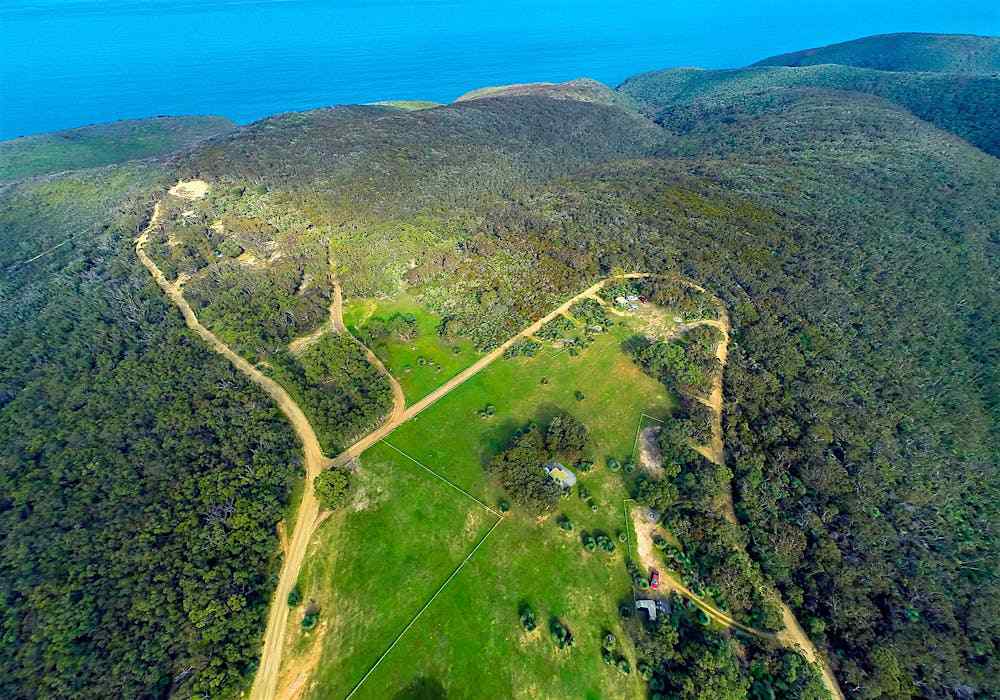
It’s a top spot for seeing western grey kangaroos, especially at dawn and dusk when they graze in open areas.
Short-beaked echidnas sometimes wander through the forest floor while superb fairywrens, honeyeaters and wedge-tailed eagles fill the skies.
The park hosts over 100 bird species, making it a favourite for birdwatchers.
At night, brushtail possums, gliders and boobook owls become active.
From June to October, southern right whales, humpbacks and sometimes orcas appear offshore. They can be seen from clifftop lookouts, such as The Bluff near Victor Harbour, or on a Big Duck Southern Ocean Adventure tour.
In winter, mothers and calves often swim close to shore, offering breathtaking views against the park’s dramatic coast.
Onkaparinga River National & Recreation Parks: Gorges, Koalas & Wetland Birds
Onkaparinga River National and Recreation Parks are a mix of steep gorges, forests, and wetlands that are home to a diverse range of native wildlife.
Western grey kangaroos often bound along the ridges, while koalas rest in the eucalyptus trees.
Echidnas can sometimes be seen searching for ants in the undergrowth, and at dusk, ringtail and brushtail possums become active.

The parks are also a favourite for birdwatchers. Peregrine falcons patrol the cliffs, and yellow-tailed black cockatoos are often heard before they’re seen.
Galahs, rainbow lorikeets and other parrots bring colour and noise to the forest.
Down at the wetlands, pelicans, cormorants, swans, and kingfishers are common.
In winter, migrating shorebirds visit the mudflats.
Canoe and kayak trails are a great way to explore the waterways and spot birds up close, especially in spring and autumn.
Granite Island Recreation Park: Little Penguins, Whales & Seabirds
Granite Island Recreation Park is best known for its colony of little penguins, which can sometimes be seen returning to shore at dusk.
The island’s walking trails, including the Kaiki Walk, offer sweeping coastal views and signs that share stories about the island’s wildlife and history.
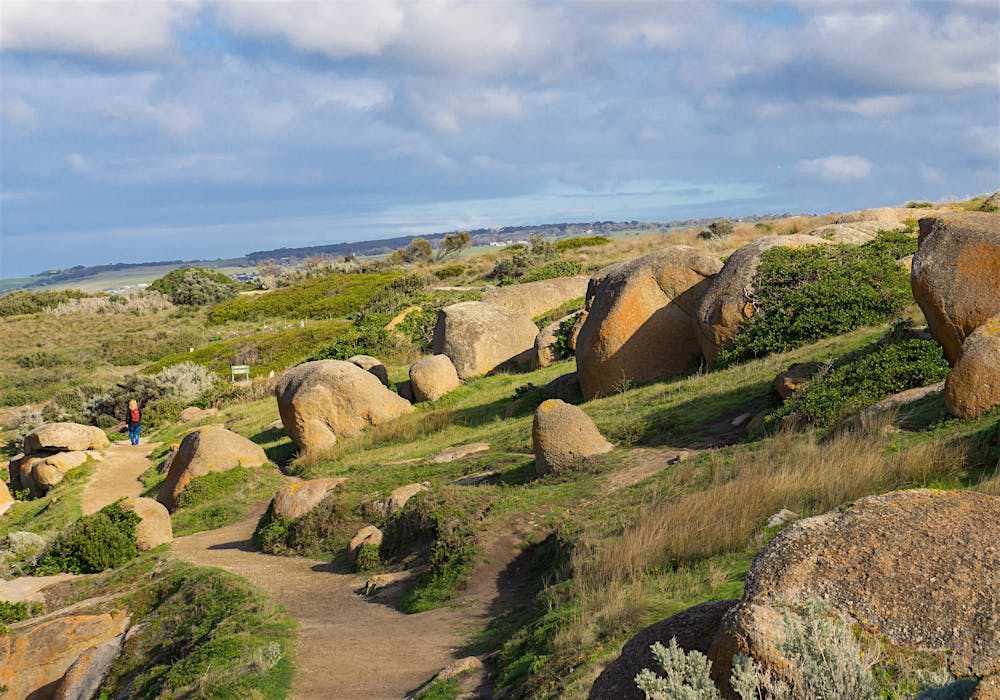
In winter, southern right whales are often spotted from the island’s lookouts, with dolphins sometimes seen playing offshore.
Getting to the island is part of the fun. The horse-drawn tram is a classic experience, but walking the causeway gives more time to take in the sea views and watch for seabirds along the way.
The mix of marine life, birdlife and coastal scenery makes Granite Island a highlight for wildlife lovers.
Encounter Marine Park: Leafy Sea Dragons, Dolphins & Seals
Encounter Marine Park is a sanctuary for marine biodiversity and offers some of the best underwater adventures on South Australia’s Fleurieu Peninsula.
At Rapid Bay, world-famous for its leafy sea dragons, snorkelers and divers can spot these rare, beautifully camouflaged creatures gliding beneath the old jetty.

Nearby, Second Valley and Aldinga Reef are also teeming with marine life, including cuttlefish, blue devil fish, leatherjackets, sea urchins, and more.
Above the surface, dolphins and New Zealand fur seals are often seen along the rugged coast.
From May to October, southern right whales sometimes appear offshore, especially around Encounter Bay.
For a closer look, boat tours like The Big Duck, departing from Victor Harbour, offer a fun way to spot dolphins, seabirds, and seals while learning about the area’s rich marine life.
Whether peering into the shallows or scanning the horizon, the park offers unforgettable encounters at every turn.
Cox Scrub Conservation Park: Bandicoots, Honeyeaters & Fairywrens
Cox Scrub Conservation Park is a quiet spot that’s perfect for birdwatching and peaceful walks.
The stringybark woodlands and banksia understory are full of life, with superb fairywrens, New Holland honeyeaters, red-browed finches and thornbills often flitting through the trees.
For those lucky enough, the park is also home to the shy southern brown bandicoot. This endangered marsupial is rarely seen but sometimes scurries through the undergrowth.

With its diverse mix of birdlife and rare native animals, Cox Scrub offers a unique wildlife encounter.
Newland Head Conservation Park: Kangaroos & Birds
Newland Head Conservation Park is a windswept haven of wild beaches, rolling dunes and mallee heathlands, where kangaroos are often seen grazing in the early morning light.

Walking trails—including sections of the iconic Heysen Trail—wind along rugged cliffs and creeks, offering sweeping views of the Southern Ocean and the chance to spot native wildlife at every turn.
The park is a paradise for birdwatchers as well.
From coastal raptors soaring overhead to superb fairywrens and honeyeaters flitting through the scrub, the air is alive with birdsong.
As night falls, campers drift off to the sound of waves mingled with the calls of nocturnal creatures.
For those seeking wildlife, solitude and dramatic coastal scenery, Newland Head delivers a truly immersive nature experience.
Urimbirra Wildlife Park & Woodstock Wildlife Sanctuary: Kangaroos, Koalas, Emus & Wombats
Urimbirra Wildlife Park and Woodstock Wildlife Sanctuary offer some of the most hands-on wildlife encounters on the Fleurieu Peninsula.
At both parks, visitors can get up close with native animals—hand-feed kangaroos, meet koalas and observe wombats, emus and dingoes in naturalistic settings.
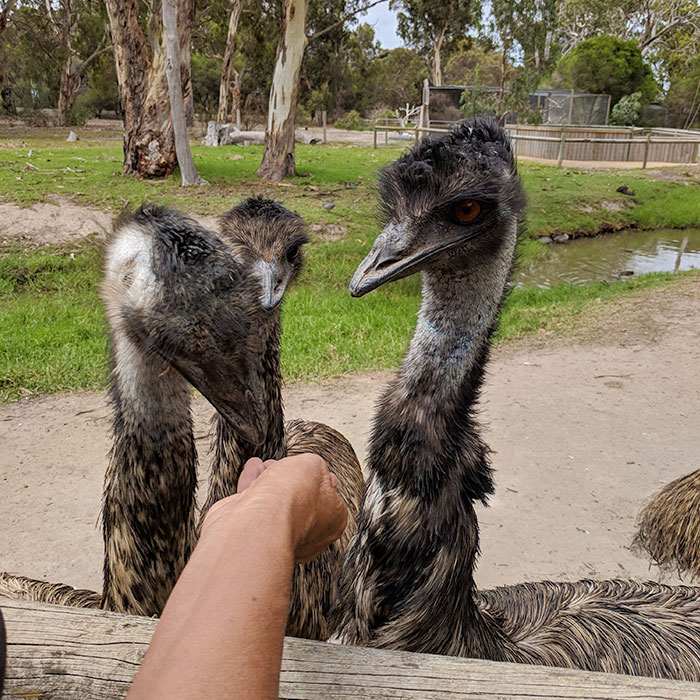
At Urimbirra, guests can even handle a python, pat a koala during scheduled sessions or watch echidnas forage, all under expert supervision.
With a strong focus on education and conservation, these parks are ideal for families, school groups or anyone curious about Australia’s unique fauna.
It’s a safe, memorable way to experience animals that are often elusive in the wild.
When to Visit for the Best Wildlife Encounters
The Fleurieu Peninsula offers something special in every season, but timing a visit right can help make wildlife encounters even more memorable.
Winter to spring is the best time to spot southern right whales offshore, see wildflowers in bloom and catch kangaroos when they’re most active.
It’s also an excellent season for birdwatching, with many species nesting and breeding.
In summer and autumn, early mornings and late afternoons are ideal for seeing kangaroos, while possums become more active after dark. This is also when migrating songbirds pass through the region.
Spring brings an extra burst of colour, with wildflowers and butterflies adding to the show.
Tips for an Unforgettable Wildlife Encounter in Fleurieu Peninsula Parks
A bit of planning makes wildlife encounters on the Fleurieu Peninsula even more rewarding.
Early mornings and late afternoons are the best times to see kangaroos, wallabies and many bird species when they’re most active.
At night, a quiet walk with a torch might reveal possums, gliders or owls.
Always give animals space and let them go about their natural behaviour without interference.
Binoculars are an excellent help for spotting birds, whales and other wildlife from a distance.
For marine life, snorkelling or diving at Rapid Bay or Aldinga Reef offers a close look at reef creatures, while guided boat tours are the easiest way to see dolphins, seals or penguins safely.
Check local beach updates before visiting, as marine life can sometimes be affected by algal blooms.
A mix of coastal and inland exploring—like pairing a whale-watching trip with a bushwalk—makes for a truly unforgettable day.
FAQs: Unforgettable Wildlife Encounters in Fleurieu Peninsula Parks
What Is The Best Time Of Year To See Whales On The Fleurieu Peninsula?
The best time of year to see whales on the Fleurieu Peninsula is between May and October.
This is when southern right whales migrate along the coast, often coming close to shore with their calves.
Clifftop lookouts and boat tours during these months offer the best chance for a sighting.
Where Can I See Kangaroos In The Wild?
The best places to see kangaroos in the wild on the Fleurieu Peninsula are Deep Creek Conservation Park, Newland Head Conservation Park and Onkaparinga River National Park.
Kangaroos are most active at dawn and dusk, when they often graze in open areas or near walking trails, offering a good chance for a sighting.
Can I Swim Or Snorkel With Marine Life On The Fleurieu Peninsula?
You can swim or snorkel with marine life on the Fleurieu Peninsula at spots like Rapid Bay and Aldinga Reef.
These locations are renowned for their clear waters and rich marine biodiversity, featuring leafy sea dragons, cuttlefish, and colourful reef fish.
Snorkelling and diving here offer some of the region’s most unforgettable underwater encounters.
Are There Guided Wildlife Tours Available?
Guided wildlife tours are available on the Fleurieu Peninsula, offering safe and memorable encounters.
Options include boat tours, such as The Big Duck, where guides help spot dolphins, seals, and whales in season.
There are also guided penguin tours on Granite Island and wildlife experiences at parks like Urimbirra for close-up animal encounters.
Is It Safe To Approach Wildlife In The Parks?
It is not safe to approach wildlife in the parks on the Fleurieu Peninsula.
The best way to enjoy native animals is to observe them quietly from a distance without disturbing their natural behaviour.
Feeding or touching wildlife is discouraged, as it can harm the animals and put visitors at risk.
Do I Need Special Gear For Wildlife Spotting?
You don’t need special gear for wildlife spotting on the Fleurieu Peninsula, but a few items can make the experience better.
Binoculars are handy for birdwatching and whale spotting from lookouts.
A torch is useful for seeing nocturnal animals on evening walks.
Snorkelling or diving gear is recommended for exploring marine life at reef sites.
Are Pets Allowed In The Wildlife Parks Or Conservation Areas?
Pets are generally not allowed in the wildlife parks or conservation areas on the Fleurieu Peninsula.
This helps protect native animals and fragile habitats from disturbance.
Some recreation areas may have designated zones where pets are permitted on leads, but it’s important to check local rules before visiting with a pet.
Do I Need To Pay To Enter Fleurieu Peninsula Parks?
Entry to Fleurieu Peninsula parks varies—some parks, like Deep Creek Conservation Park, have entry or camping fees, while others, such as Newland Head and Onkaparinga River, are free.
Fees support maintenance and conservation. Always check park websites or visitor centres for up-to-date fee details before heading out.
Conclusion
The Fleurieu Peninsula is packed with opportunities to see native wildlife in stunning natural surroundings.
From kangaroos at Deep Creek to little penguins on Granite Island and leafy sea dragons beneath the waves at Rapid Bay, these parks deliver some of South Australia’s most unforgettable wildlife encounters.
The key is knowing when to go, where to look and how to experience these moments without disturbing the animals.
Whether it’s a dawn bushwalk, a snorkelling adventure or a peaceful evening by the coast, the Fleurieu’s parks make it easy to connect with nature.
Now’s the time to plan your visit; pick a park and set out to create your wildlife memories.
