
Travel to South Australia contains affiliate links and is a member of the Amazon Services LLC Associates Program. If you make a purchase using one of these Amazon links, we may receive compensation at no extra cost to you. See our Disclosure Policy for more information.
South Australia packs a remarkable amount into a small radius, and the best day trips from Adelaide prove it.
Wine regions, beaches, national parks, wildlife, and river towns are all within two to three hours of the city by car — and living in the south of Adelaide, I’m particularly close to some of the best ones.
How Far Can You Go on a Day Trip from Adelaide?
The practical limit for a comfortable self-drive day trip from Adelaide is around three hours each way — though most of the best options sit within one to two hours.
The city is surrounded by distinct landscapes on every side, which means the options vary rather than being different versions of the same drive.
A note for those in southern Adelaide — suburbs like Hallett Cove, Morphett Vale, Christie Downs, and Noarlunga are 20–30 minutes closer to McLaren Vale, Victor Harbor, and Cape Jervis than someone leaving from the CBD.
The Kangaroo Island ferry from Cape Jervis becomes a genuinely manageable day trip from the south in a way it isn’t if starting from the north of the city.
Day Trips from Adelaide — Quick Reference
| Destination | Distance from CBD | Drive Time (approx) | Best For |
|---|---|---|---|
| Morialta / Belair / Waterfall Gully | 10–20km | 15–25 mins | Hiking, waterfalls, gorges |
| Hahndorf / Adelaide Hills | 30km east | 35 mins | History, food, cool-climate wine |
| Southern beaches — Port Noarlunga to Sellicks | 35–55km south | 40–55 mins | Snorkelling, cliff walks, coastal drive |
| Onkaparinga River National Park | 45km south | 50 mins | Gorge walks, nature |
| McLaren Vale | 40km south | 45 mins | Wine, olive oil, Willunga markets |
| Victor Harbor | 80km south | 1 hr | Whales (seasonal), Cockle Train, coastal walks |
| Port Elliot | 85km south | 1 hr 5 mins | Beaches, surf, seafood |
| Goolwa | 85km south | 1 hr 5 mins | Coorong, river, beaches |
| Murray Bridge / Tailem Bend | 80–100km east | 55 mins–1 hr 15 mins | Safari park, pioneer village |
| Barossa Valley | 70km northeast | 1 hr | Wine, food, German heritage |
| Deep Creek National Park | 100km south | 1 hr 20 mins | Serious hiking, coastal trails |
| Clare Valley | 135km north | 1 hr 30 mins | Wine, cycling, Riesling Trail |
| Yorke Peninsula (north) | 155km | 1 hr 45 mins | Beaches, diving, seafood |
| Kangaroo Island | 130km + ferry | ~2.5 hrs total | Wildlife, beaches, wilderness |
Nature Walks and National Parks Near Adelaide
This is the day trip category that most guides underplay — and the forums consistently show it’s what a lot of visitors actually want.
The good news is that Adelaide has some of the best accessible hiking in any Australian capital, and the closest options are barely a drive at all.
Morialta Conservation Park is around 10 kilometres from the CBD — less than 20 minutes by car — and the change from suburbs to gorge country happens within minutes of the car park.
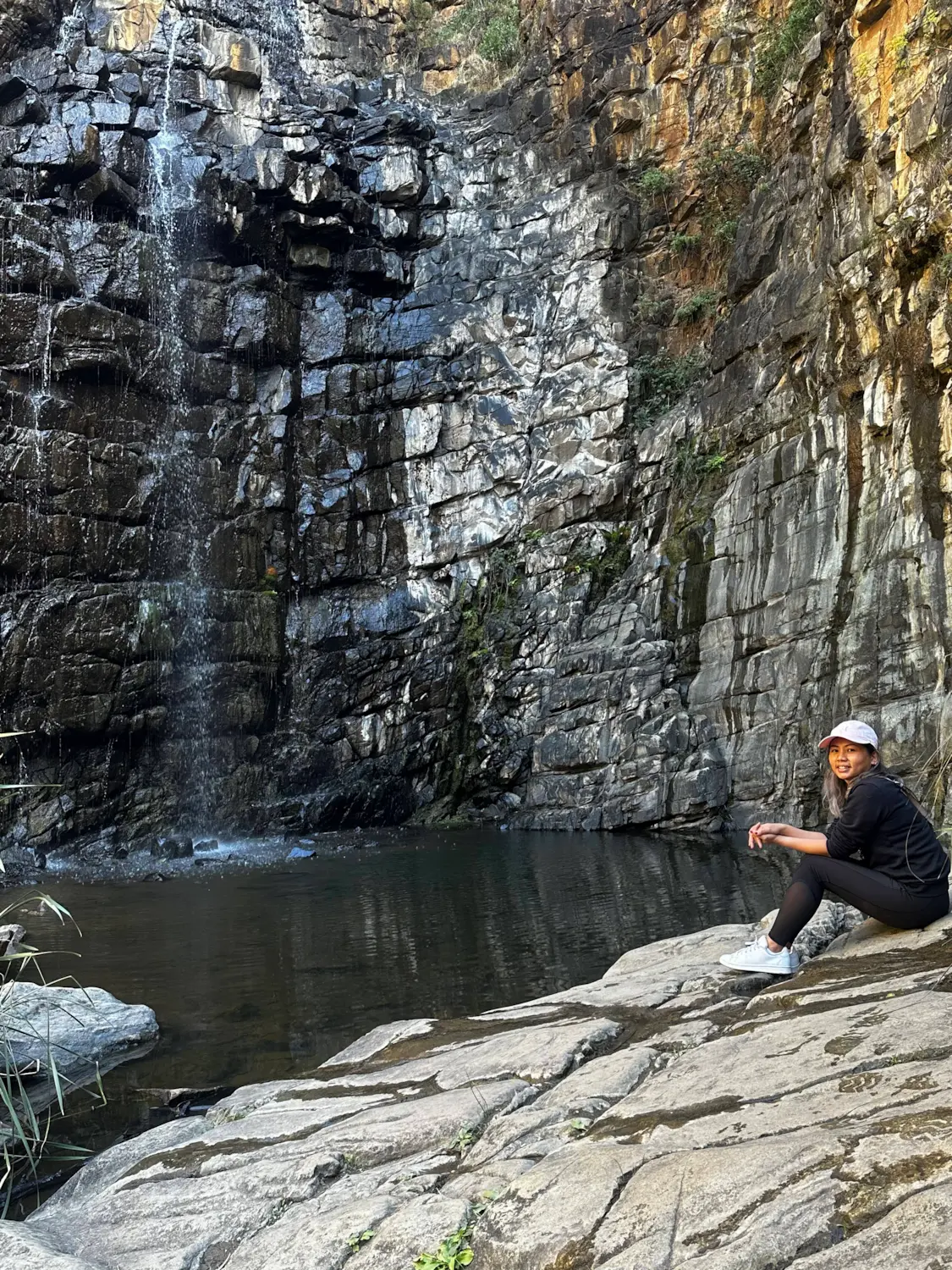
The First Falls are closest to the car park and suit younger kids or shorter visits. I’ve been twice and both times walked through to the Second Falls, which is the sweet spot for most people — the gorge opens up properly by that point.
The Third Falls push things up noticeably in difficulty. Before even starting the trail, check the trees in and around the car park.
On my last visit, I counted 10 koalas on the way up to the falls — they sit motionless in the fork of gum trees and are easy to miss if no one points them out.
The Plateau Hike is around 1.5 hours and genuinely earns its Grade 4 rating. Weekends fill the car park fast, particularly in cooler months — a weekday visit is a different experience entirely.
Belair National Park sits 15 minutes from the CBD and is the kind of place that surprises people who dismiss it as “too suburban.” Koalas and western grey kangaroos are regularly spotted along the walking trails, and the old Government House grounds give the park an unexpected sense of history.
Multiple trail options span different fitness levels — check parks.sa.gov.au for current entry fees before visiting.
Waterfall Gully and Mount Lofty are a natural pairing — the walk from the Waterfall Gully car park up to the Mount Lofty Summit takes about two hours return and gains significant elevation.
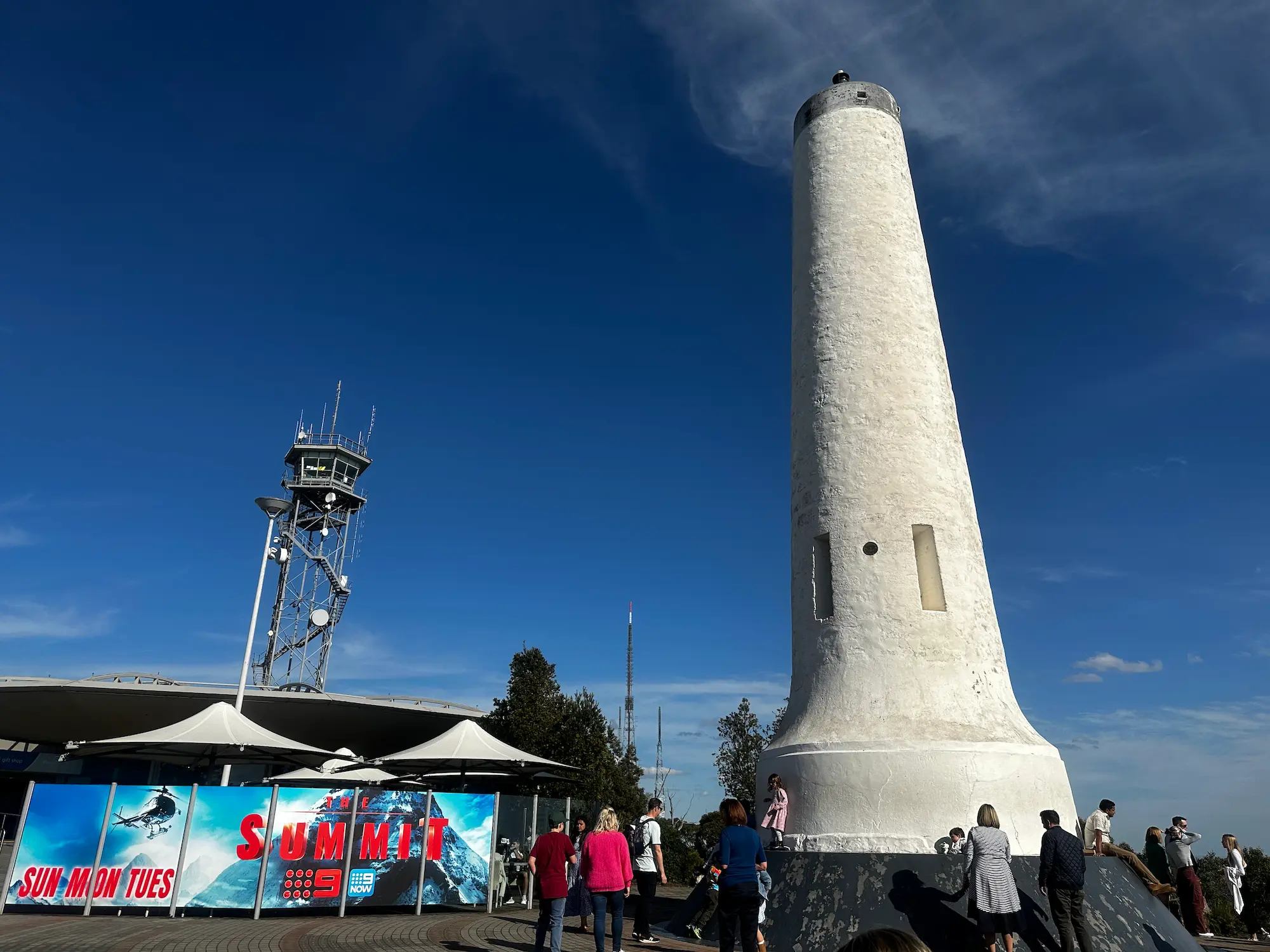
My husband and I did this walk, and it’s genuinely tiring — there are sustained uphill sections that don’t let up.
I made it to the top, and the view of Adelaide from 727 metres makes the effort worthwhile. The Summit Café is there if a coffee is needed before the walk back down.
Onkaparinga River National Park sits around 45 kilometres south of the CBD — about 50 minutes — which makes it a very easy half-day for anyone based in the southern suburbs.
The gorge walk along the Onkaparinga River is the main draw, with red cliffs, native vegetation, and a river section that holds water most of the year.
The Sundews Ridge Hike (4km) and the Punchbowl Lookout Walk (2km) are the two easiest entry points.
There’s also a thriving population of shingleback lizards through here that most people don’t expect — keep an eye on the path edges.
Deep Creek National Park is around 100 kilometres south of Adelaide — about 1 hour 20 minutes — and covers a rugged section of the Fleurieu Peninsula coast. It’s one of the most rewarding day trips on the Fleurieu Peninsula.
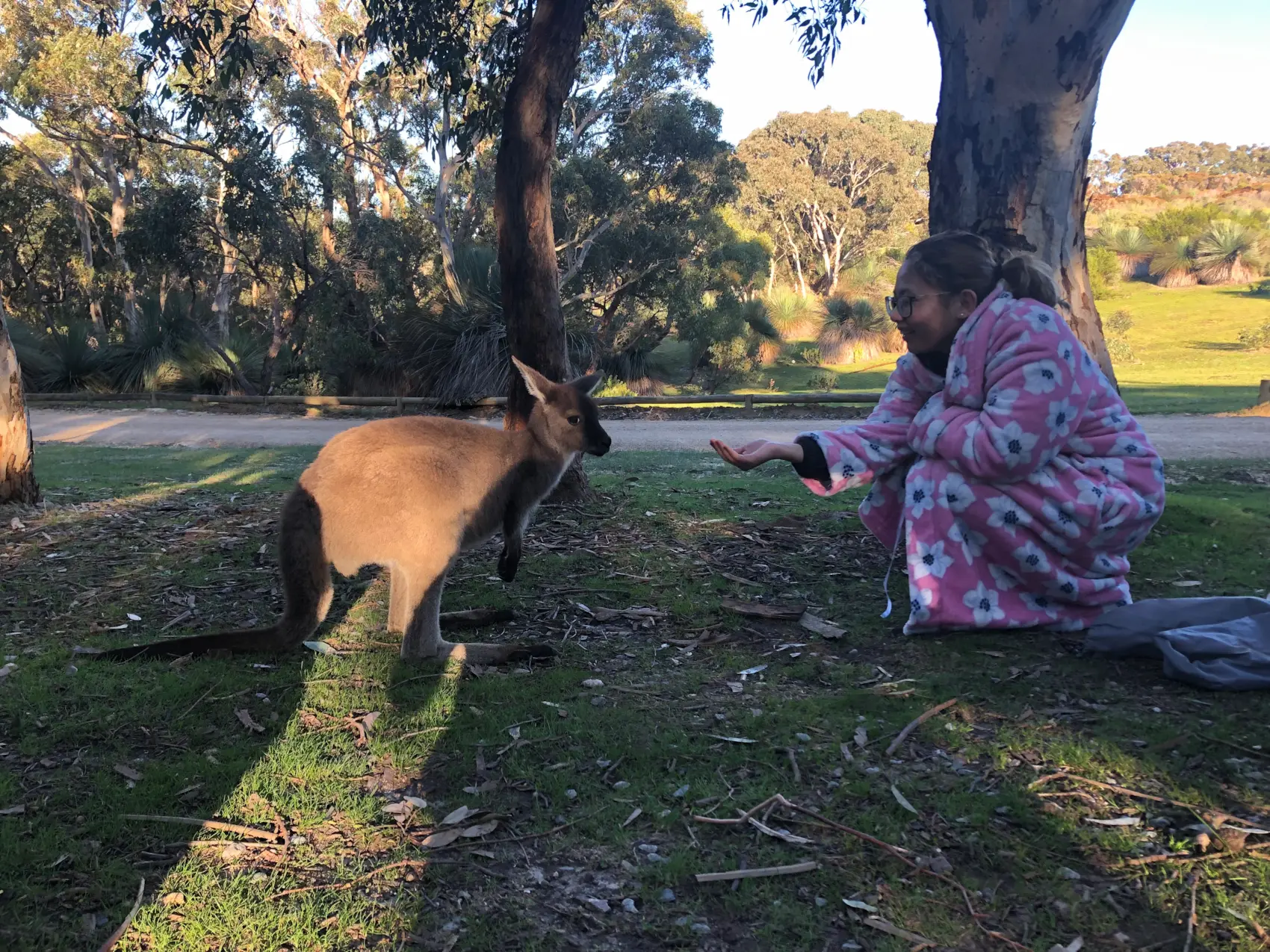
I camped at the Trig Campground once, and while setting up the tent, kangaroos were wandering through the site without any concern for the humans.
The following morning, an echidna walked past on its way through — it’s that kind of place.
The trails vary from short coastal lookout walks to the full Deep Creek Circuit, which involves serious climbs and takes most of a day.
There’s also a walk to a waterfall accessible from the Trig Campground that suits day visitors who don’t want to commit to the bigger circuit. A vehicle entry fee applies — check current rates at parks.sa.gov.au before the visit.
Go in autumn or spring — summer can be genuinely brutal on the exposed sections.
Hahndorf and the Adelaide Hills
Hahndorf is the easiest wine-and-food escape from Adelaide. It’s 30 kilometres east of the CBD — barely 35 minutes by car — and the shift from city to hills happens fast.

The town was established by German Lutheran settlers in 1839, making it the oldest surviving German settlement in Australia.
Beerenberg Farm has a strawberry picking season running from November through April, and the farm shop is open year-round.
The main street is compact but rewards slower wandering — the smaller cafes are better value than the obvious tourist stops.
The wider Adelaide Hills suit a full day if the goal is wine rather than the town. Cleland Wildlife Park at Crafers lets visitors hold a koala and get close to kangaroos in a genuine bushland setting — check current entry prices at clelandwildlifepark.sa.gov.au and book the koala experience ahead.
Wineries like Shaw + Smith, Bird in Hand, Hahndorf Hill Winery, and The Lane sit within 10–15 minutes of the town. The cool-climate Sauvignon Blanc and Pinot Noir from this region are a different style entirely from those of the Barossa and McLaren Vale.
Autumn is a particularly good time to visit — the deciduous trees along the main street turn deep orange, and the fallen leaves give the whole town a different feel from the summer version.
If visiting with kids, the Hamdorf Cafe on the main street is a reliable and family-friendly stop.
One honest note — Hahndorf gets very busy on weekends and is genuinely packed around public holidays and school holidays. A midweek visit is a different experience entirely.
Southern Beaches and the Route 31 Coastal Drive
The stretch of coastline running south from Christies Beach to Sellicks Beach is one of the most underrated day trip routes from Adelaide — and it’s the stretch I live closest to.
The Route 31 Coastal Drive links these beaches along a marked scenic route, and it’s worth taking the coastal road rather than the freeway.
Port Noarlunga has one of the most accessible reef systems near any Australian capital.
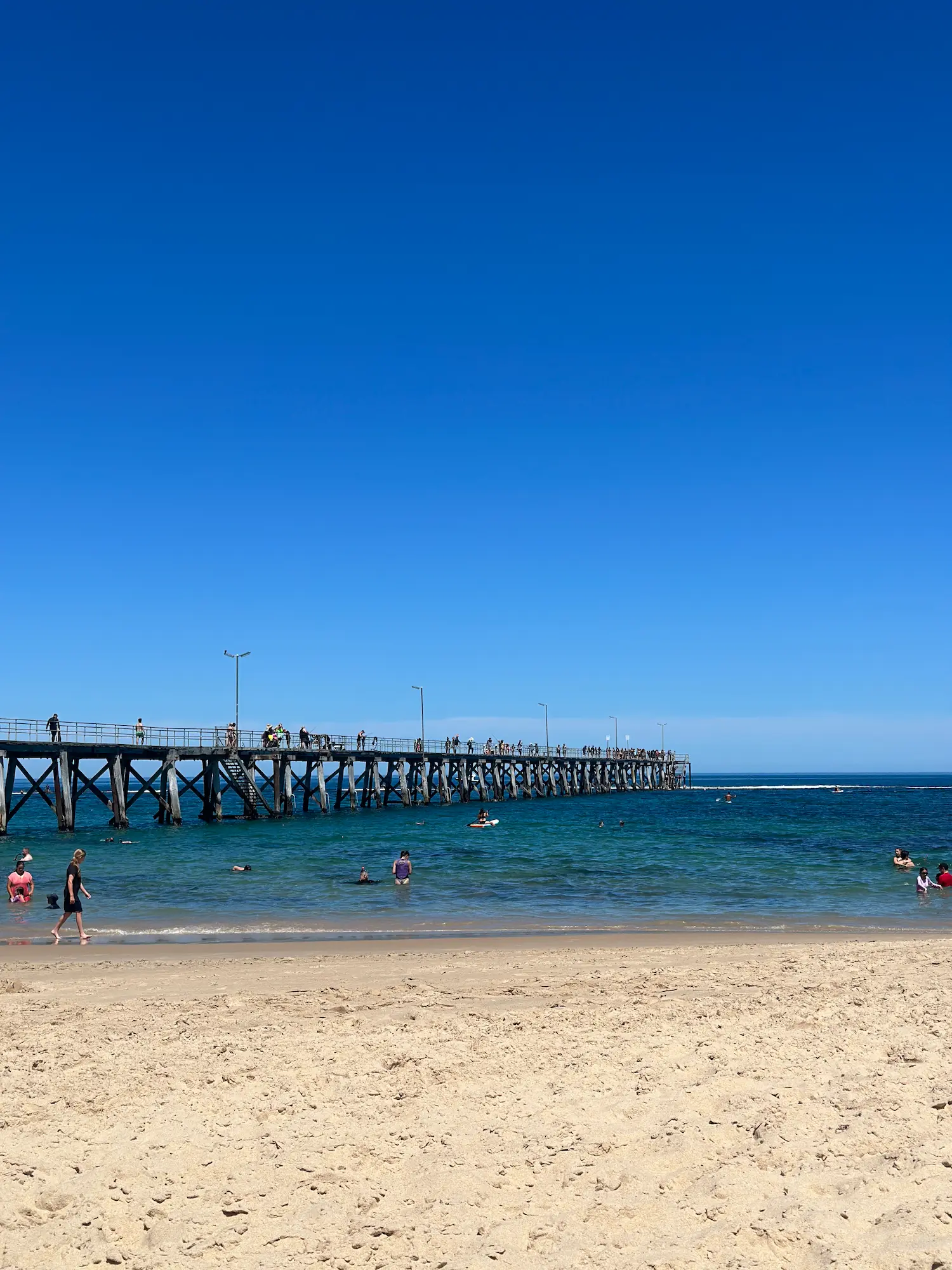
The Port Noarlunga Reef is a designated aquatic reserve sitting just offshore — snorkellers can swim out from the beach, or walk to the end of the heritage jetty where an underwater trail marked by rope guides divers along the reef wall. One practical tip — check the tide times before going.
At high tide, the reef is submerged and visibility drops significantly, so low to mid tide gives the best snorkelling. There are several cafes and restaurants near the jetty, which makes it easy to extend the visit into lunch.
At the southern end of Port Noarlunga, the Onkaparinga River Mouth Viewpoint sits above Southport Beach and is one of the quieter finds on this stretch.
A long wooden staircase winds down the cliff face to the beach below, but the view from the top is worth lingering over — standing at the railing, the river mouth and the open ocean beach are visible at the same time, framed by low coastal scrub. It’s one of the best sunset spots on the Route 31 run.
Port Willunga is about 10 minutes further south and worth the detour for the cliff-face alone. Six caves were carved into the limestone cliffs by fishermen in the early 1900s to store boats and nets.
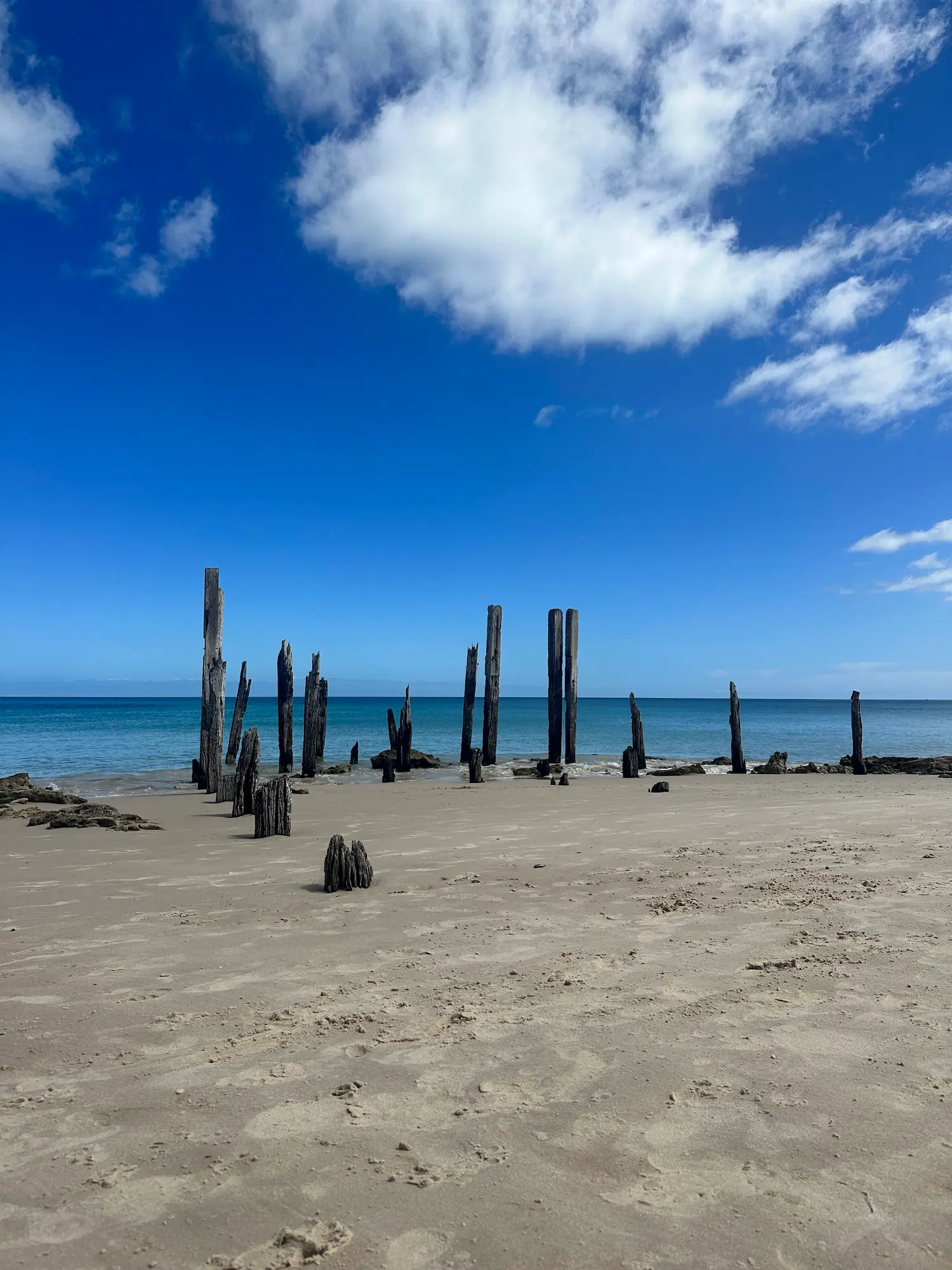
The ruins of the old timber jetty still stand in the water at low tide and are one of the most photographed spots on the Fleurieu — the weathered pylons catch particularly good light at sunset.
The Star of Greece restaurant sits at the top of the cliff above the beach and is one of the most popular lunch spots in the area — open Wednesday to Saturday from noon and on Sunday for lunch only. Book ahead — it fills fast on weekends.
Aldinga Beach sits between Port Willunga and Moana and is one of the wider, more open stretches on this coastal run. It’s less visited than Port Noarlunga but has a good reef offshore and a long flat beach that suits a quieter afternoon stop.
Moana is one of the nearby beaches we have in the area. It’s known for a drive-on section — permits are required, but the flat, hard sand is popular with families.
The sunsets at Moana are genuinely among the best on this stretch of coast, and it’s worth timing an afternoon visit to catch the light going down over the water.
Sellicks Beach is the southern end of this coastal run, where the Sellicks Hill Range meets the sand and the view back up the coast stretches for kilometres.
McLaren Vale
McLaren Vale sits 40 kilometres south of Adelaide and takes around 45 minutes from the CBD — less from the southern suburbs.
It’s South Australia’s other major wine region, producing Shiraz, Grenache, and Cabernet Sauvignon with a very different character to the Barossa.
The region also has one of the highest concentrations of olive growers in the country, which makes the food story as strong as the wine.
d’Arenberg is one of the most visited cellar doors — I’ve been, and the best comparison I can make is an art-meets-wine experience, a building that combines gallery spaces, two restaurants, and a cellar door in a way that rewards a couple of hours rather than a quick drop-in.
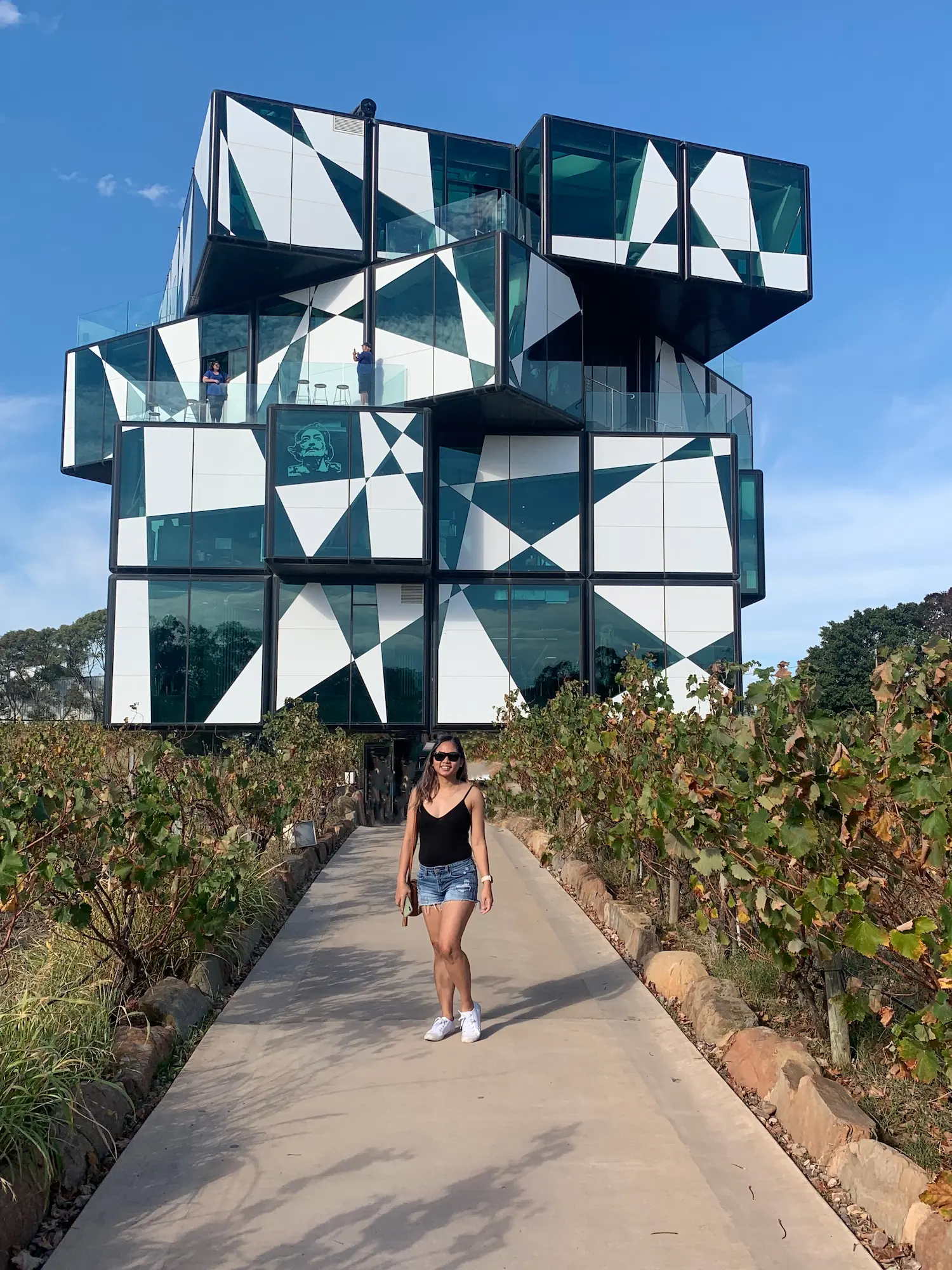
Smaller producers like Yangarra Estate Vineyard and Wirra Wirra are worth seeking out too.
The Willunga Farmers Market runs every Saturday from 8 am to 12noon and is one of the best regional markets in South Australia.
Local olive oil, cheese, bread, and smallgoods from McLaren Vale producers dominate the stalls. It pairs naturally with a cellar door afternoon in the vale.
Living in the south of Adelaide, I find McLaren Vale is the most achievable midweek escape for me. It doesn’t require the early start that the Barossa demands, and there’s enough to do without needing a full day to make it worthwhile.
The coast is only 10 minutes from the town centre at Aldinga Beach and Sellicks Beach, so a wine-tasting morning pairs easily with a beach afternoon.
Victor Harbor and Port Elliot
Victor Harbor is 80 kilometres south of Adelaide — about an hour’s drive via the Southern Expressway. It’s the most visited coastal town on the Fleurieu Peninsula.
The horse-drawn tram to Granite Island, running since 1894, crosses a wooden causeway to the island.
Little penguins have historically come ashore at dusk here — penguin numbers have declined significantly in recent years, so check with the visitor centre before making this the main reason to visit.
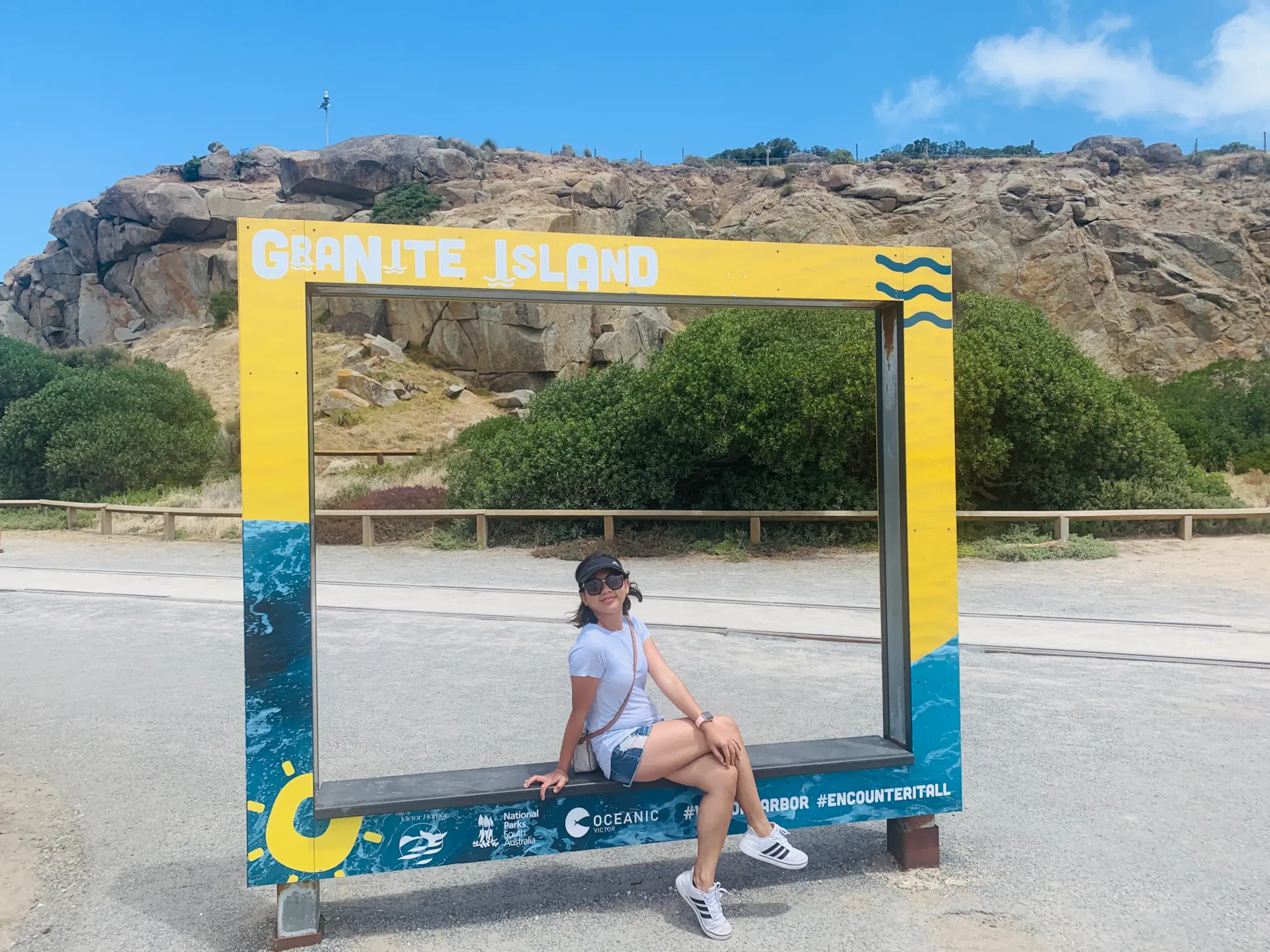
Granite Island is worth walking around properly — there’s a cafe on the island that does good chips, and it’s a solid spot to stop mid-loop before heading back along the causeway.
The South Australian Whale Centre on the foreshore is worth an hour, particularly for anyone interested in the whale migration.
The whale season runs roughly from May to October, when humpbacks and southern right whales move through Encounter Bay — on a calm day, they can be spotted from the Bluff lookout or the causeway to Granite Island without any equipment.
From southern Adelaide, this drive is genuinely under an hour. I’ve done a mid-morning departure plenty of times and been sitting at the beach by midday.
Port Elliot is 10 minutes further east and tends to attract a quieter crowd. Horseshoe Bay is the main beach — sheltered and good for swimming in summer. The Royal Family Hotel does a dependable counter lunch with a solid coastal view from the rooftop.
The Cockle Train runs between Victor Harbor and Goolwa along the oldest railway line in South Australia.
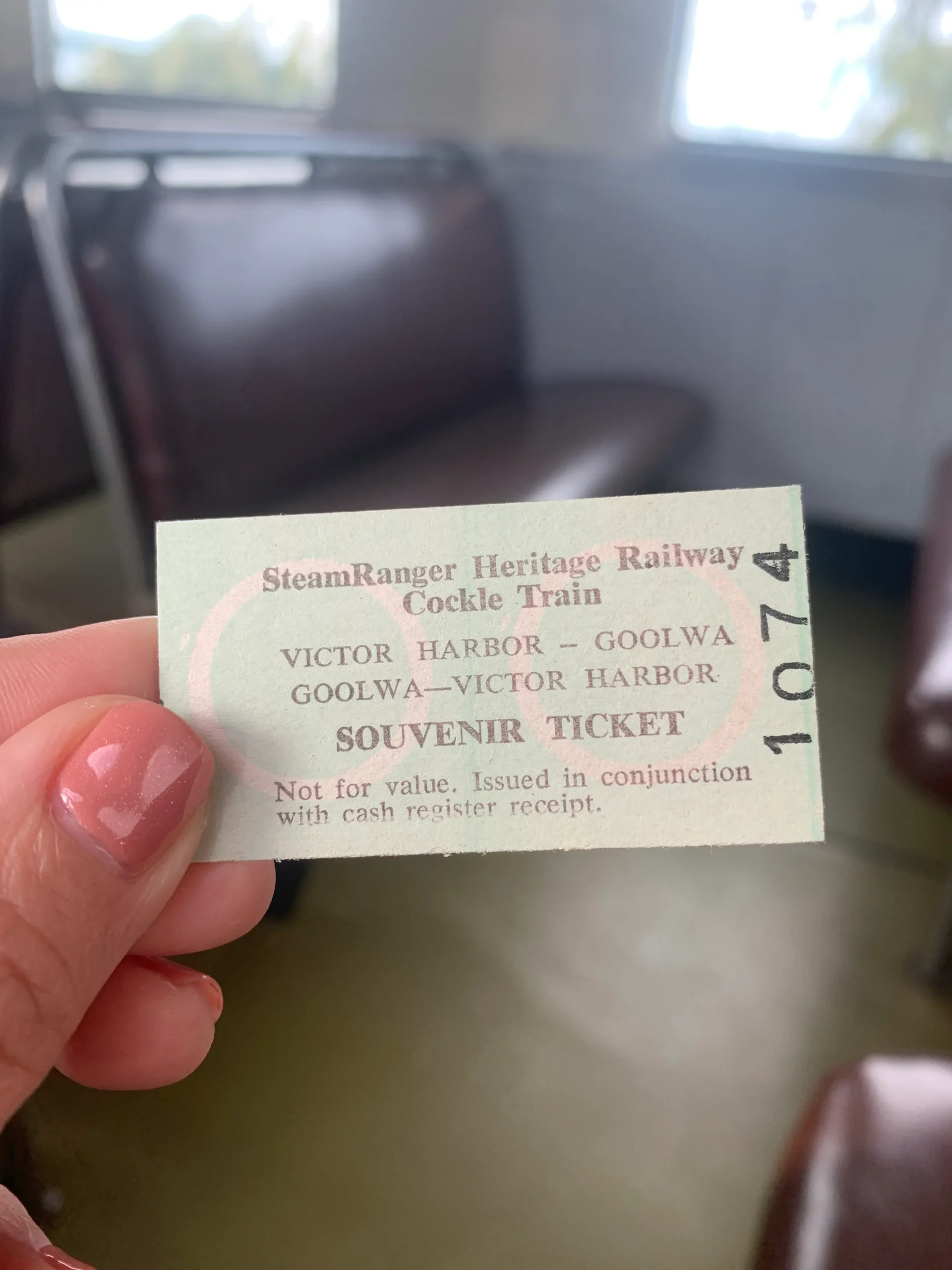
My husband and I have done this, and it’s a genuinely enjoyable ride — the kind of thing that feels unhurried in the best way and works well with kids too.
Check the Steam Ranger Heritage Railway schedule before the trip, as it operates on selected dates rather than daily.
Goolwa and the Coorong
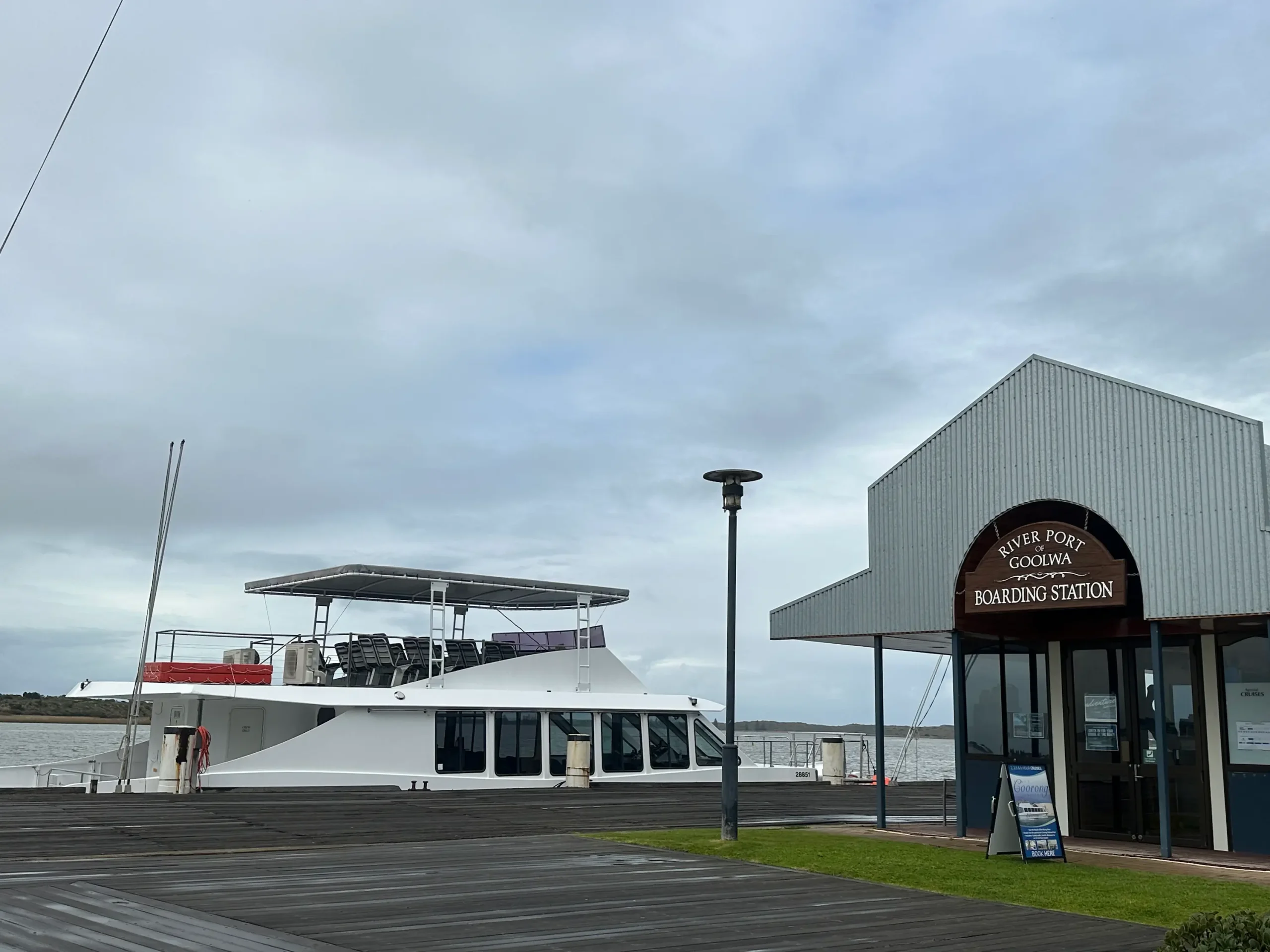
Goolwa sits near the mouth of the Murray River, about 85 kilometres south of Adelaide.
The town has a quiet, river-town feel — old paddle steamers, the Cockle Train terminus, and a beach that doesn’t get crowded the way the more promoted Fleurieu spots do.
Goolwa Beach is long and flat, popular with four-wheel-drivers (permits required for driving on the beach), and leads south towards the Coorong.
The Coorong National Park — a narrow system of lagoons and dunes stretching 130 kilometres from the Murray Mouth — starts here and is a critical waterbird habitat. It’s one of South Australia’s most distinctive landscapes.
The paddle steamer PS Oscar W runs occasional river trips — worth checking sailing dates before arriving.
The Goolwa Wharf precinct on the riverfront has a Sunday market, cafes, and Signal Point, a local history museum worth an hour for context on the Murray River trade era.
Strathalbyn is about 15 minutes north of Goolwa and makes a natural pairing for the day. It’s a well-preserved 19th-century heritage town with antique shops along High Street and a scenic stretch of the Angas River running through parkland at the town centre.
It’s worth combining with Goolwa rather than treating it as a separate trip.
Murray Bridge and Tailem Bend
Murray Bridge is 80 kilometres east of Adelaide — under an hour on the South Eastern Motorway. Most people drive straight through it on the way to Melbourne and miss what’s actually there.
Monarto Safari Park is the main draw. I’ve been recently, and it’s worth going in with realistic expectations — the animals roam large enclosures, so sightings up close aren’t guaranteed.
The guided bus tour is the main way to move around, stopping at five different points within the park.
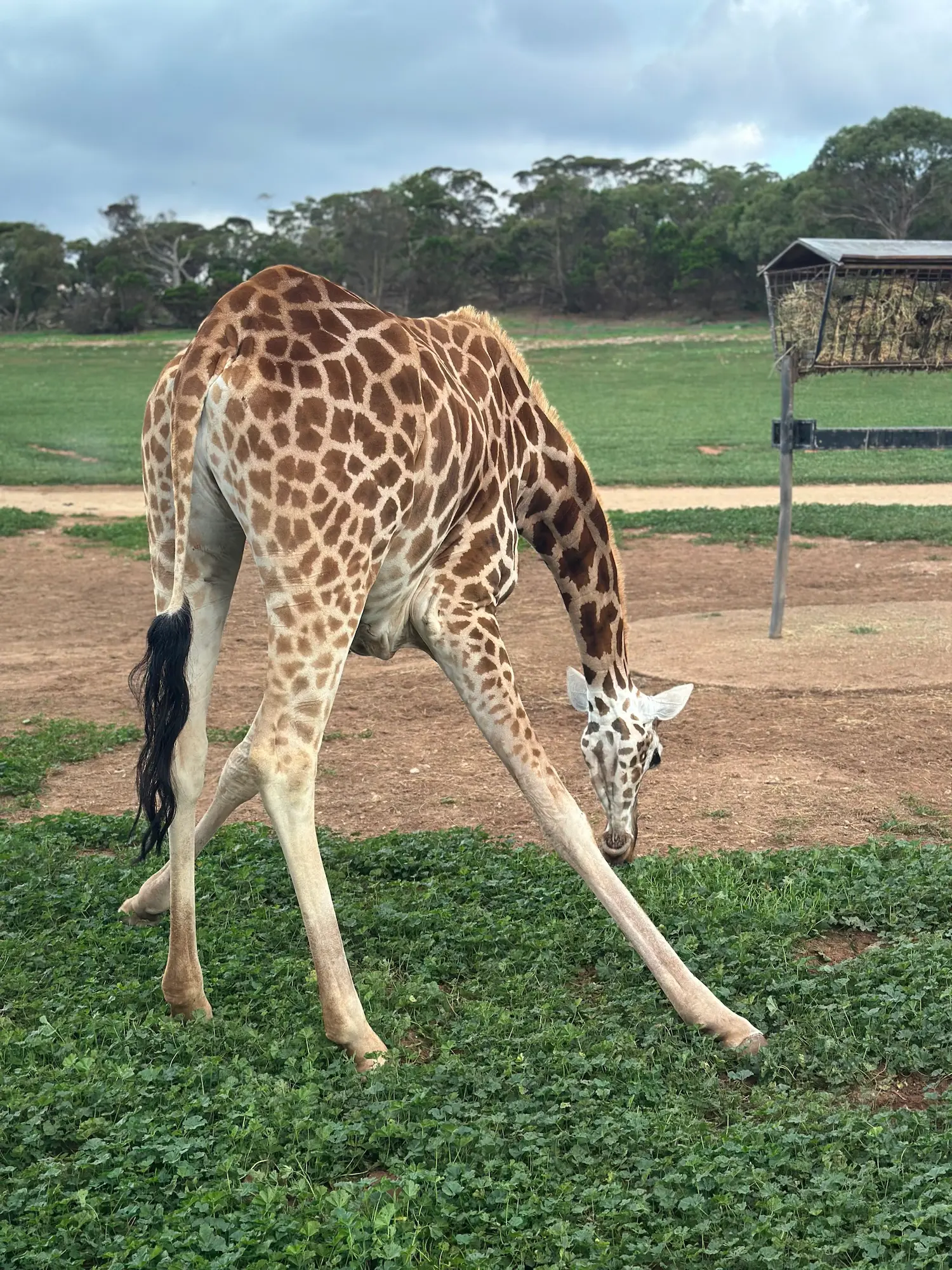
On my visit, the rhino and cheetah keeper talks were highlights — the staff who run them clearly know their animals well.
Entry runs from around $42 for adults and $22 for children — book ahead online, particularly for the bus and any add-on experiences.
The Lions 360 encounter, which puts visitors inside a cage beside a lion pride, is worth booking separately and is one of the more memorable experiences in the region.
Old Tailem Town at Tailem Bend — about 15 minutes from Murray Bridge heading back towards Adelaide — is one of South Australia’s more unusual stops.
Over 100 historic buildings have been relocated and reconstructed on the site to recreate a pioneer-era village. It has an oddly atmospheric quality, particularly in the quieter sections.
Entry is $28 for adults.
The Murray River itself rewards slowing down, whether that’s hiring a kayak, walking the riverbanks, or watching the houseboats moored along the town foreshore.
Barossa Valley
The Barossa Valley is 70 kilometres northeast of Adelaide — about an hour from the CBD and closer to 1 hour 15 minutes from the southern suburbs.
It’s Australia’s most famous wine region and, for many visitors to Adelaide, the obvious first self-drive day trip.
The valley is compact — Lyndoch in the south to Nuriootpa in the north is around 30 kilometres — so getting between cellar doors takes very little time once there.
Three to four cellar doors are the right number for a day trip. Seppeltsfield, Chateau Tanunda, Rockford Wines, and Kies Family Wines are the ones worth prioritising for a single day.
The bigger names — Penfolds, Jacob’s Creek, and Wolf Blass — are all here too if that’s the goal, though the smaller producers generally offer a more personal experience.
Transport is worth thinking about before arriving. Drink-driving laws in South Australia apply at 0.05 blood alcohol concentration — the penalties are real, and the Barossa is a long drive from Adelaide to be pulled over.
A designated driver or a guided tour from Adelaide is one of the two sensible approaches — the Barossa Valley day trip guide has transport options, timings, and a full itinerary.
Clare Valley
The Clare Valley is 135 kilometres north of Adelaide — about 1.5 hours each way. It’s further than most day trips, so starting early makes the most sense. Staying overnight is worth considering if time allows.
The Riesling Trail is the main reason many visitors come — a 35-kilometre cycling and walking path between Auburn and Clare that passes vineyards, old rail bridges, and countryside that looks its best in autumn.
Bikes can be hired in Clare or Auburn — the two towns at either end of the trail. The main wine varieties here are Riesling and Shiraz, noticeably cooler and lighter in style than Barossa Shiraz.
Sevenhill Cellars deserves a visit — the oldest winery in Clare Valley, established by Jesuit brothers in 1851- and the chapel on the property is one of the more unusual buildings in regional South Australia. Mitchell Wines and Knappstein are also worth a stop.
The Watervale Hotel, about 15 kilometres south of Clare on the trail, is an award-winning restaurant (Good Food Guide hatted at the time of writing) doing farm-to-plate dining in a heritage pub building — book ahead for lunch.
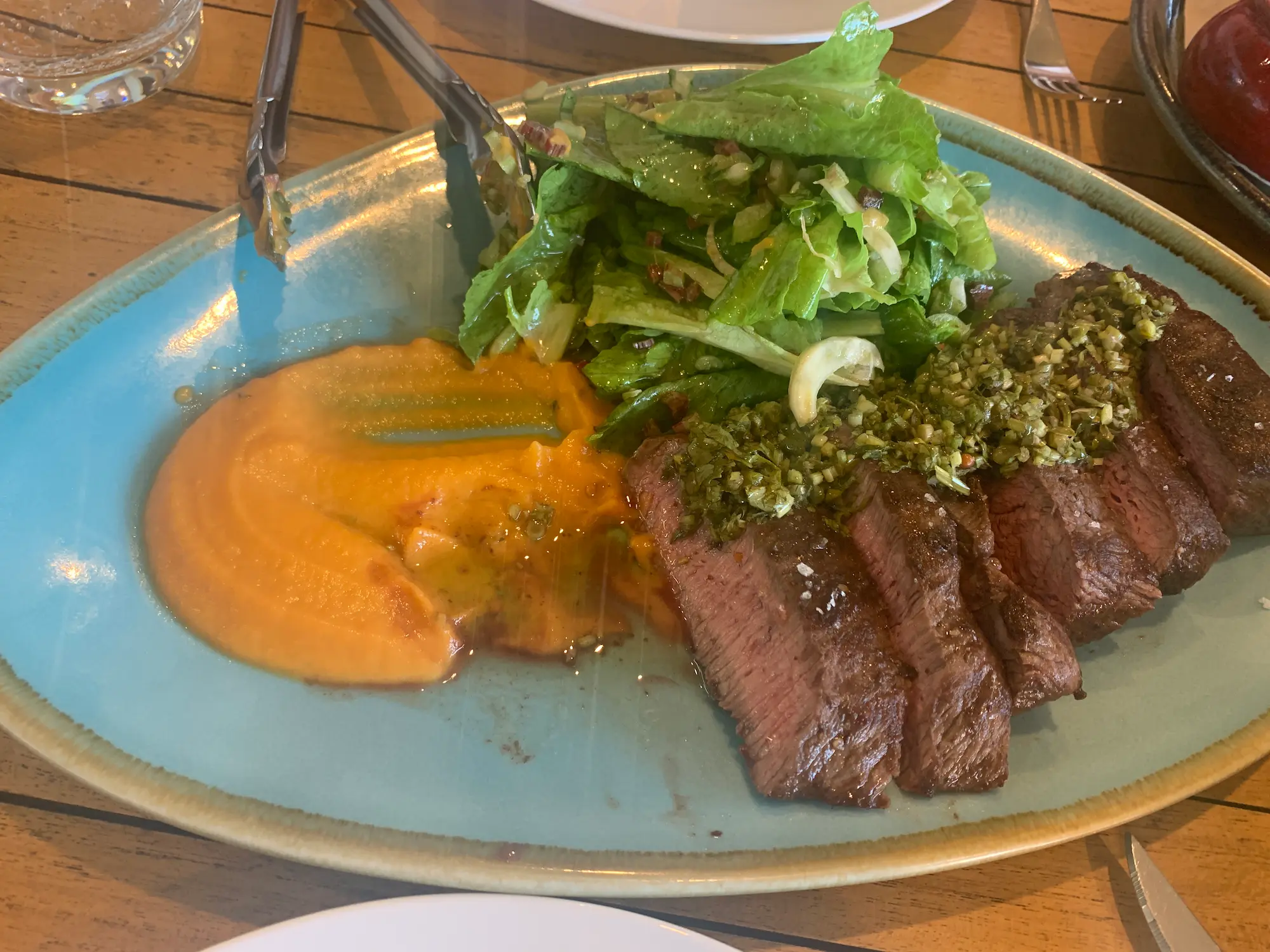
I’ve spent a weekend in Clare Valley, and there’s genuinely enough to fill two days even without touching wine.
One note — if the plan includes the Mintaro Maze, it’s unfortunately no longer operating. It was a popular stop for families but has since closed.
Kangaroo Island Day Trip
Kangaroo Island is possible as a day trip from Adelaide, but it requires commitment.
The standard route is a 1.5–2-hour drive from Adelaide to Cape Jervis — from the south of Adelaide, that’s closer to an hour — followed by a 45-minute SeaLink ferry crossing to Penneshaw. Total travel time each way runs to around 2–2.5 hours.
Adult return fares on the ferry vary by season and time of travel — check current prices at sealink.com.au before booking.
Adding a car significantly increases the cost, and booking ahead is essential in peak season — ferries fill fast.
Regional Express also flies from Adelaide Airport to Kingscote in around 30 minutes, which saves travel time but removes the flexibility of exploring by car.
For a day trip, the western and southern ends of the island are worth focusing on. Flinders Chase National Park, Remarkable Rocks, and Admirals Arch are grouped together on the western tip and cover the island’s best wildlife and geological highlights.
Seal Bay Conservation Park on the south coast — where visitors walk among Australian sea lions on the beach — is non-negotiable if the timing works, and Little Sahara near Vivonne Bay is worth 30 minutes if the schedule allows.
The honest position — Kangaroo Island deserves at least two nights. But a day trip is possible, and for anyone who can’t make the longer trip work, it’s still worth doing.
Yorke Peninsula
Yorke Peninsula is two to three hours south-west of Adelaide, depending on the destination, and it’s my personal favourite among all the day trip options.
The Copper Coast towns — Moonta, Wallaroo, and Kadina — sit about 1 hour 45 minutes from the CBD and make a manageable day out.
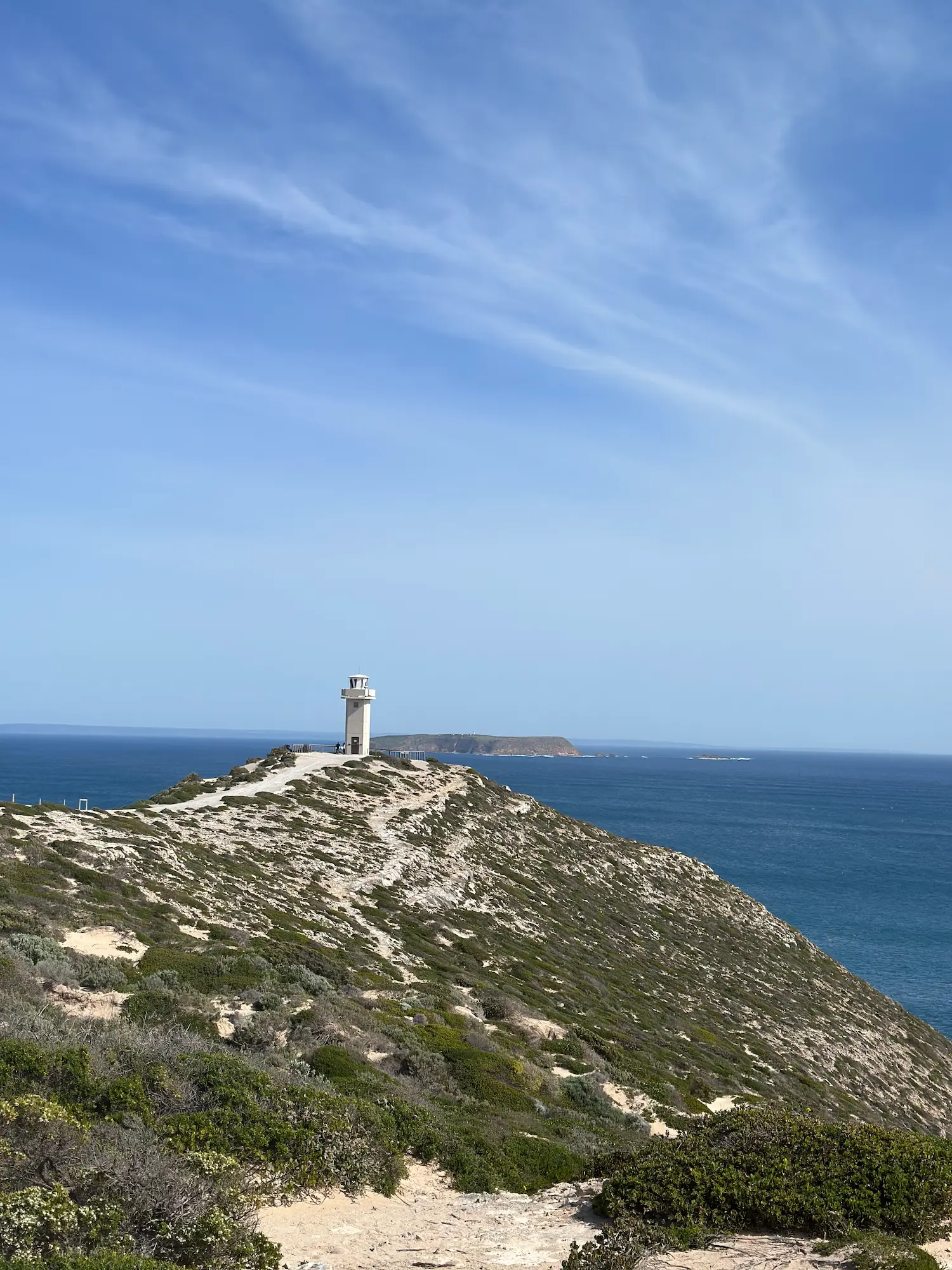
Dhilba Guuranda-Innes National Park at the southern tip of the peninsula is closer to three hours from the city.
The peninsula is largely about beaches, fishing, and a slower pace. The Cornish heritage of the Copper Coast — nicknamed Little Cornwall — is worth exploring, with a heritage railway and museum at the Moonta Mines.
Wallaroo has a long, shallow North Beach that families use in summer, and Kadina has the bulk of the shopping and best pub meals of the three towns.
Dhilba Guuranda-Innes National Park is the highlight of the whole peninsula for me — I’ve been twice.
On the second trip, I based myself in Moonta overnight and drove down to Innes the following day, which cuts the driving day significantly and means more time in the park itself.
The surf beaches at Pondalowie Bay and Chinaman’s Well are among the best in South Australia, and the park has remarkable shipwreck diving for those with certification.
Common Mistakes When Planning Day Trips from Adelaide
‼️ Underestimating drive times from southern Adelaide. If leaving from suburbs like Hallett Cove or Christie Downs, the northern destinations — Barossa Valley, Clare Valley — add 20–30 minutes each way. That’s time worth accounting for when cellar doors open at 10 am and close at 5 pm.
‼️ Visiting Hahndorf on a long weekend. It gets genuinely crowded. Easter, King’s Birthday, and school holiday weekends can make the main street feel less like a pleasant wander and more like a shuffle. A midweek visit is a completely different experience. The nature trails and wine regions handle crowds better than Hahndorf’s main street does.
‼️ Not booking lunch ahead on weekends. Popular spots at McLaren Vale, Victor Harbor, and the Barossa fill fast on Saturdays and Sundays. A walk-in at FINO at Seppeltsfield on a Saturday without a reservation usually means missing out.
‼️ Combining too many destinations in one day. McLaren Vale and Victor Harbor on the same day is possible, but it leaves both feeling rushed. Each region has enough to fill a full day — trying to squeeze two together usually means missing the best parts of both.
‼️ Visiting wine regions in January without planning for the heat. The Barossa and Clare Valley regularly hit 38–40°C in summer. Cellar door tastings are fine, but outdoor activities become genuinely unpleasant by midday. The southern beaches and the coast around Victor Harbor and Port Elliot are cooled by the Southern Ocean and are a much better summer bet.
‼️ Forgetting to check winery and park opening days. Many cellar doors close on Mondays and Tuesdays. Some parks have seasonal access restrictions. A quick check before leaving Adelaide saves wasted trips.
FAQ
What is the best day trip from Adelaide?
That depends on what’s being looked for. For wine, the Barossa Valley and McLaren Vale are both strong options. For beaches and coastal scenery, Victor Harbor and Port Elliot are hard to beat. For hiking and nature, Morialta Conservation Park is the closest and most accessible, while Deep Creek National Park offers a bigger challenge further south. For wildlife, Kangaroo Island is in a category of its own if there’s enough time.
What are the best self-drive day trips from Adelaide?
Almost all of these work well as self-drive day trips — McLaren Vale, Victor Harbor, Goolwa, Murray Bridge, and the Barossa are all comfortable by car with no special preparation. Kangaroo Island requires a ferry or flight. The only reason to book a tour rather than drive is if the plan involves wine tasting, in which case a guided tour from Adelaide is the sensible choice.
What is the closest day trip from Adelaide?
Morialta Conservation Park is around 10 kilometres from the CBD and takes under 20 minutes. Hahndorf in the Adelaide Hills is 30 kilometres away and takes around 35 minutes. From southern Adelaide, McLaren Vale is similarly close at around 40 minutes — and has more to offer for a full day.
What are the best day trips from Adelaide for hiking and nature?
Morialta Conservation Park (10 mins from the CBD) and Belair National Park (15 mins) are the closest options. For a bigger day out, Deep Creek National Park on the Fleurieu Peninsula has the most rewarding trails within a 1.5-hour drive south. Onkaparinga River National Park is around 45 minutes from the CBD and is particularly well-placed for those in the southern suburbs.
Can Kangaroo Island be done as a day trip from Adelaide?
It’s possible, particularly from southern Adelaide, where the drive to Cape Jervis is shorter. But a full day on the island with a return ferry and the drive each way is tight. Two nights on the island is the better option if the schedule allows it.
What are the best day trips from Adelaide for families?
Monarto Safari Park near Murray Bridge is one of the strongest family options near Adelaide — the Lions 360 encounter is one of the most memorable experiences in the region. Cleland Wildlife Park in the Adelaide Hills is another solid choice for younger kids. Victor Harbor is beach-friendly in summer. Moana Beach on the southern coastal drive is a good option for families who want a drive-on beach experience without going too far.
What are the best day trips from Adelaide for wine lovers?
The Barossa Valley and McLaren Vale are both excellent. The Barossa has more historical depth and some of the oldest vines in the world — pre-phylloxera Shiraz blocks that survived the European vine epidemics of the 1800s. McLaren Vale is closer to the city and pairs well with a coastal afternoon. Clare Valley is further but worth it for Riesling lovers, and the Riesling Trail cycling experience is one of the best ways to spend a full day in a wine region anywhere in Australia.
