
Travel to South Australia contains affiliate links and is a member of the Amazon Services LLC Associates Program. If you make a purchase using one of these Amazon links, we may receive compensation at no extra cost to you. See our Disclosure Policy for more information.
Three days in Adelaide are genuinely enough to cover the city, get out to the Hills, and spend a morning at the coast — if the time is used well.
The mistake most visitors make is spending too long in the CBD and running out of time for the things that actually make Adelaide worth the trip.
This 3-day Adelaide itinerary is built around that problem. Day 1 covers the city. Day 2 heads to the coast.
Day 3 gets out of Adelaide entirely into the Adelaide Hills. There’s also an optional Day 4 section for anyone with an extra day — it covers the wine regions, which deserve more than a rushed afternoon.
For a broader overview of what to do around the region, see the day trips from Adelaide guide.
Before You Arrive — One Thing Worth Knowing
Adelaide Airport sits about 8 km from the CBD.
There’s no direct train into the city. A taxi or Uber takes around 15 minutes and costs $25–$35 — that’s the most straightforward option.
The Adelaide Metro airport bus runs to the city in around 25–30 minutes via Keswick if budget matters.
Where to Stay in Adelaide
Stay in the CBD. Most of Day 1 is walkable; the tram to Glenelg departs from Victoria Square, and hire car pick-ups are easy from the city centre.
Budget — Adelaide Central YHA on Waymouth Street has private rooms from around $90 a night and sits a short walk from the market.
Mid-range — Mayfair Hotel on King William Street is the most central option at this price point — a restored 1934 heritage building from around $180 a night. Ibis Adelaide on Grenfell Street is clean and well-located, from around $130.
Luxury — Eos by SkyCity has Hecker Guthrie interiors in the CBD from around $250 a night. InterContinental Adelaide sits on the River Torrens with views from around $280.
For those wanting a Hills base, Mount Lofty House in Crafers puts you above the city in 22 acres of gardens — from around $350.
Day 1 — Adelaide City
Adelaide Central Market
Start at Adelaide Central Market on Gouger Street. It’s one of the largest undercover fresh produce markets in the Southern Hemisphere — 70-plus traders across two halls with everything from SA seafood to smallgoods, local cheeses, and some of the best coffee in the city.
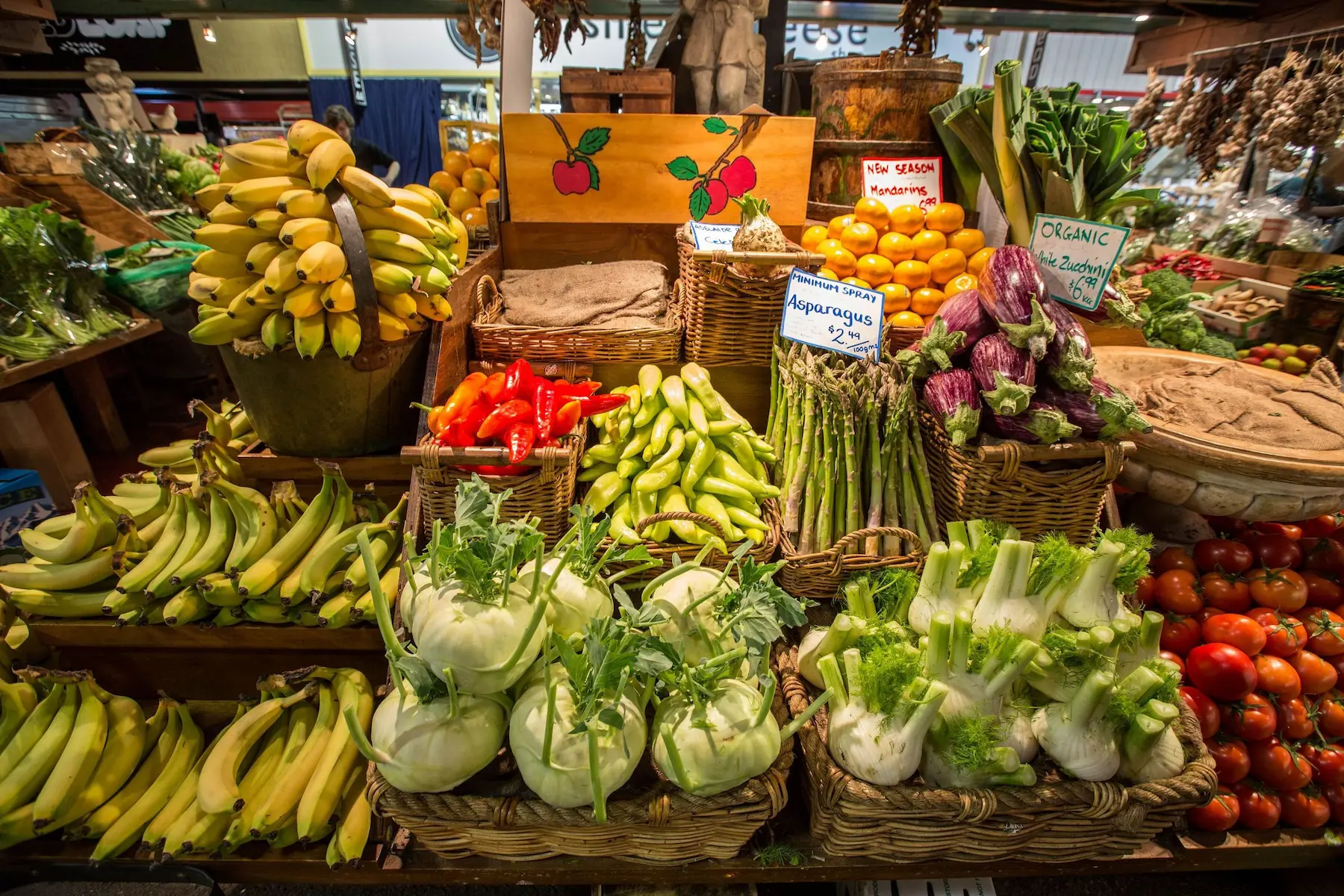
The market is closed on Mondays and Sundays. Check dates before building the itinerary around them.
Thursday, Friday, and Saturday are the best trading days. If a Saturday visit is the plan, get there before 9 am — it becomes difficult to move by 10.
A few specific spots worth knowing — Lucia’s Fine Foods near the main entrance does a Bolognese that people genuinely make return trips for.
Marino Meat in the middle hall has dry-aged SA beef and house-made sausages worth picking up if a self-catered meal is on the agenda.
For coffee, Paddy’s on the go is a reliable stop without the weekend queue.
Give the market 90 minutes minimum.
North Terrace
North Terrace runs east–west through the heart of Adelaide and has the city’s main cultural institutions sitting along it.
The South Australian Museum and Art Gallery of South Australia are both free and sit side by side.
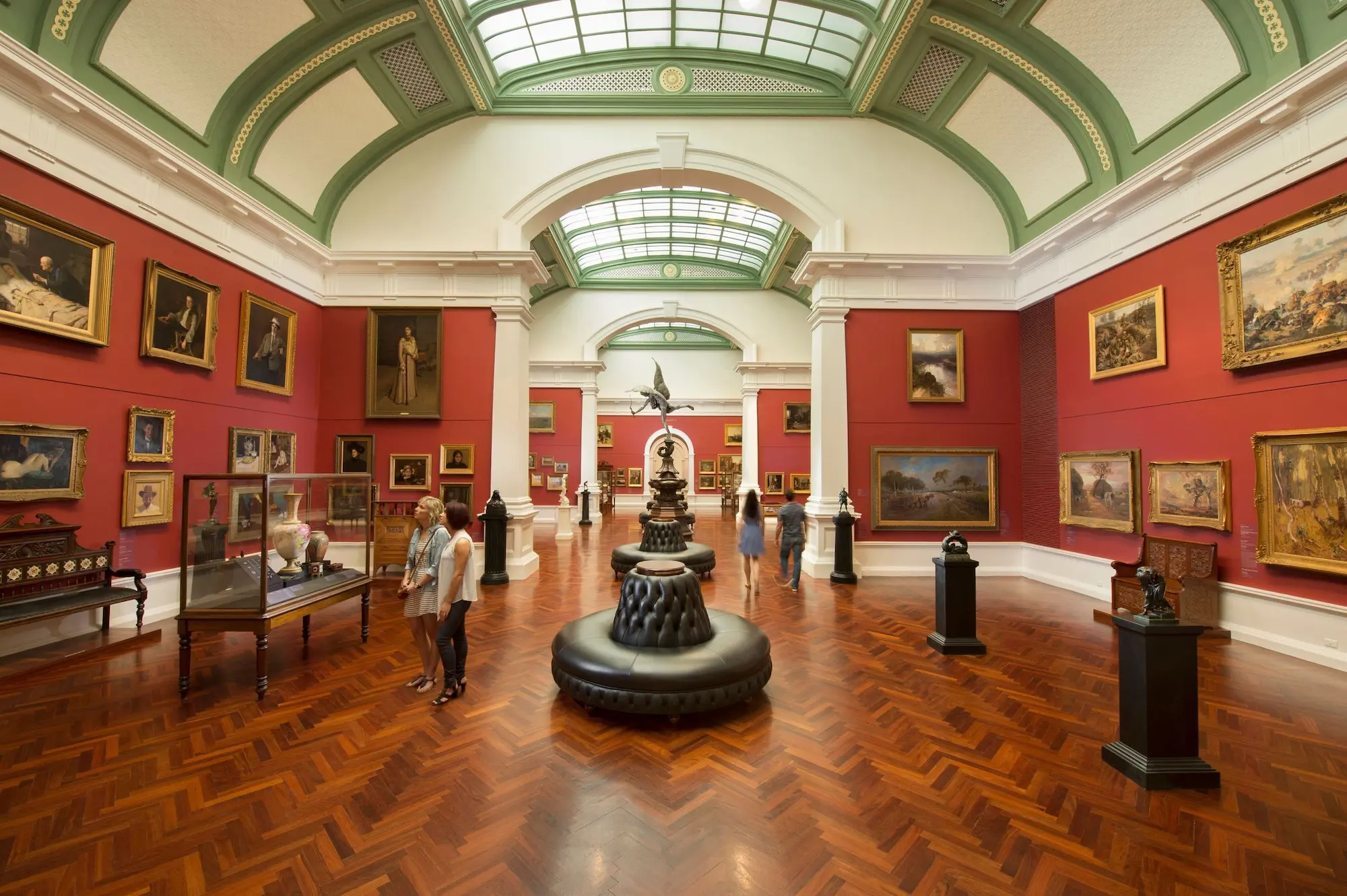
The SA Museum’s First Nations galleries are consistently underrated — the collection is one of the most significant in the country, and most visitors spend less than 20 minutes in there. Budget at least an hour if that’s the interest area.
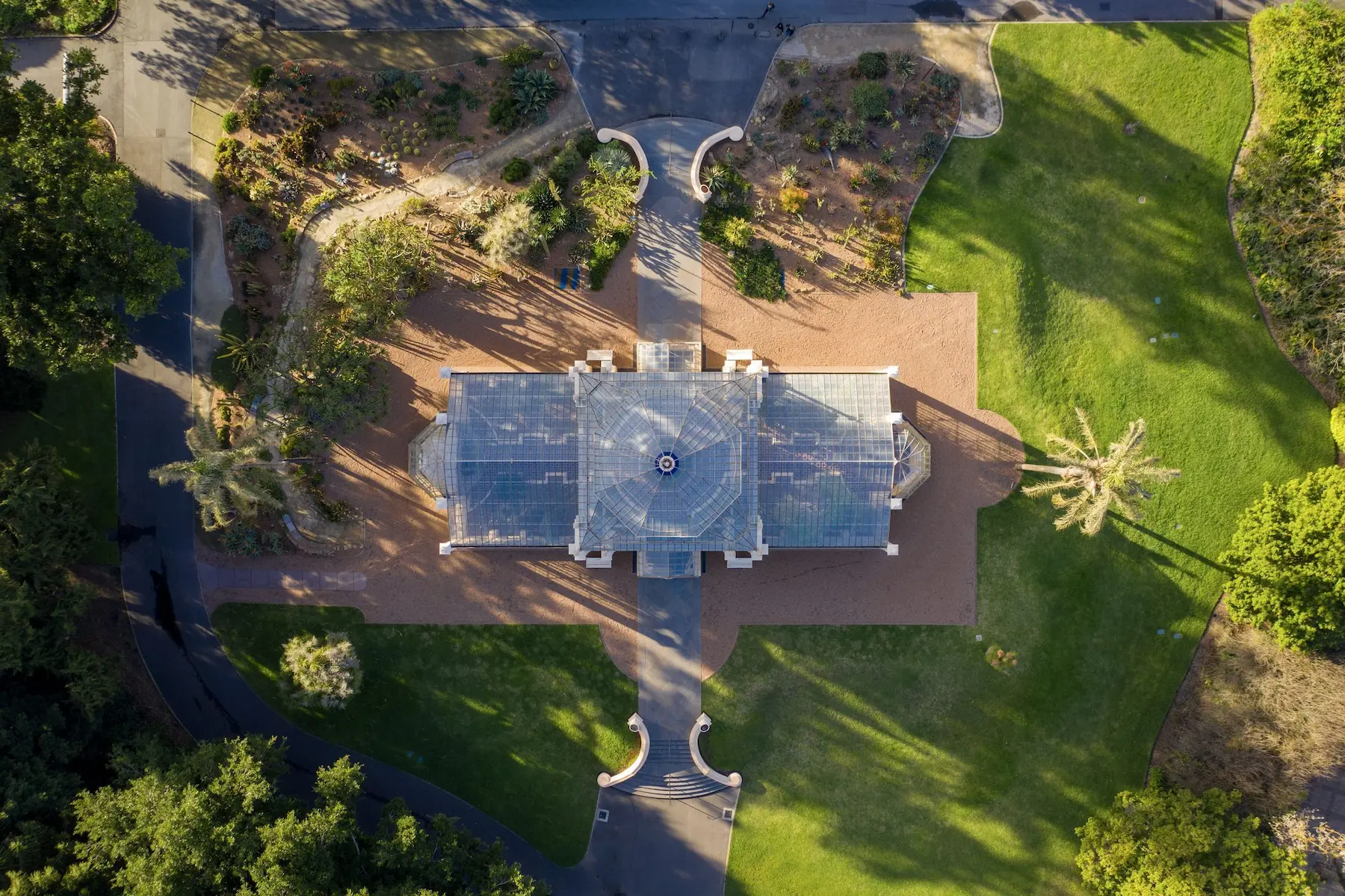
The Adelaide Botanic Garden sits at the eastern end of North Terrace. It’s 51 hectares, free to enter, and worth walking through on the way east.
The Bicentennial Conservatory — a giant greenhouse with a tropical rainforest inside — is the highlight of the gardens and genuinely unexpected in the middle of a city.
Adelaide Oval and the River Torrens
From the western end of North Terrace, cross the footbridge to reach the River Torrens (Karrawirra Pari) and Adelaide Oval.
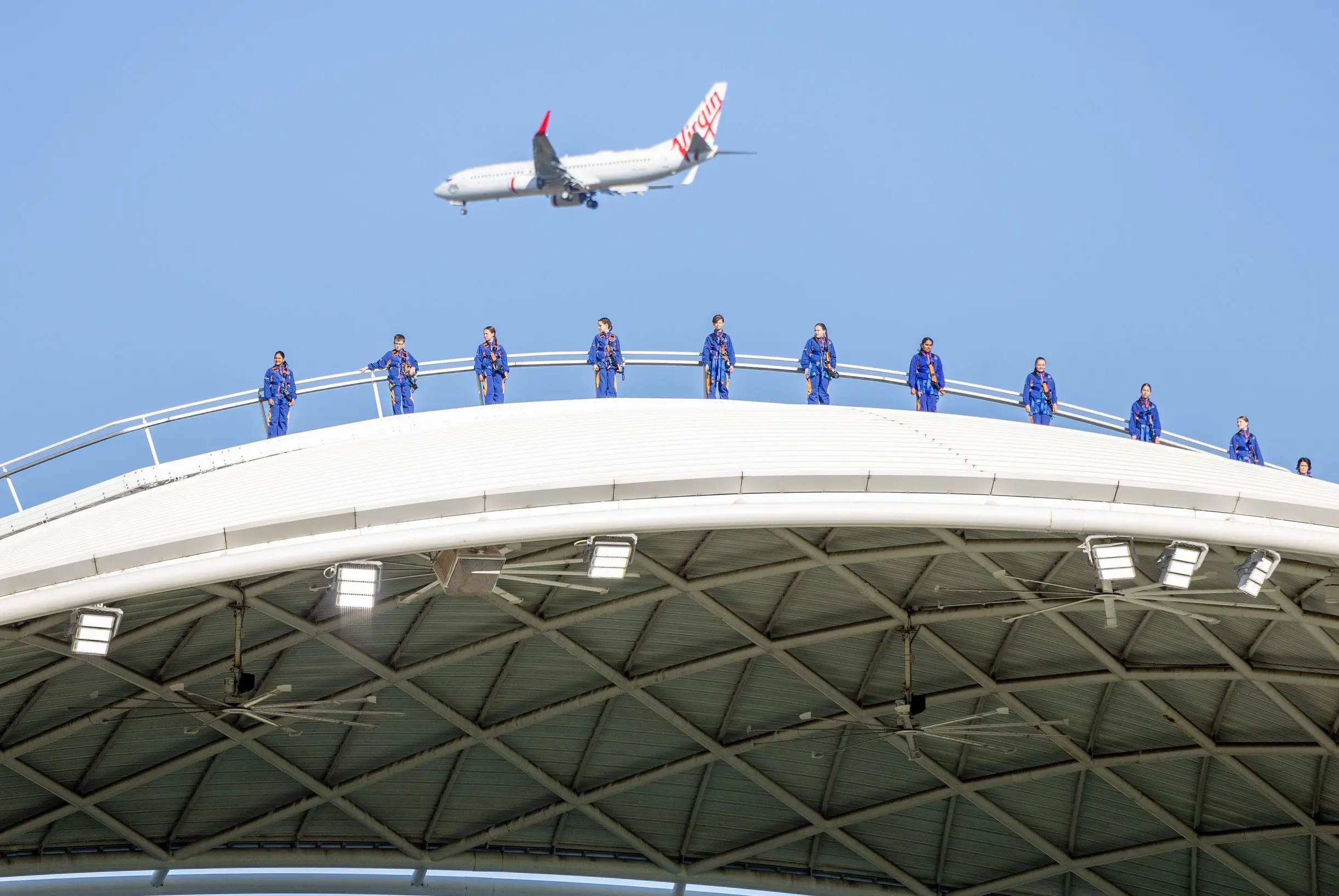
The Oval is one of the most scenic sports grounds in Australia. Even with no game on, the RoofClimb is worth considering — a guided climb to the roof with views back over the city and parklands. From $119 per adult for a day climb. 👉 Book here
The walk west along the River Torrens from the Oval to the CBD takes about 20 minutes and is one of the better city walks in SA — the linear park is well kept and much quieter than the main roads.
Rundle Street and the East End Laneways
Rundle Street runs east of the CBD and has a completely different feel from Rundle Mall.
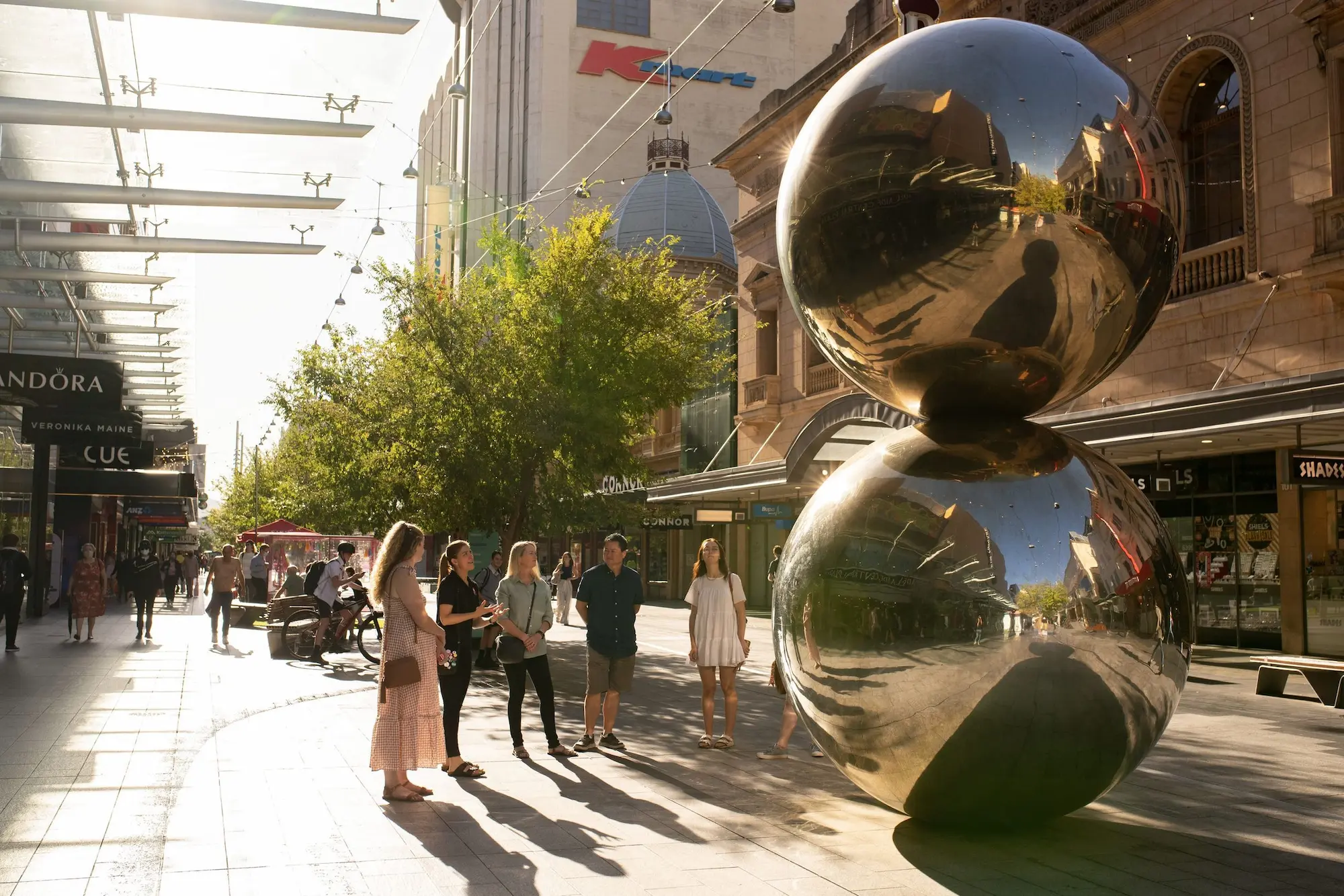
The laneways running off it — Peel Street, Ebenezer Place, Vardon Avenue — are where Adelaide’s food and bar scene actually lives.
For dinner, Peel St Restaurant on Peel Street is worth booking ahead — a rotating chalkboard menu that blends Asian, Middle Eastern, and Mediterranean influences. It’s one of the more genuinely local picks in the city.
For something more low-key, Fugazzi on Leigh Street does refined Italian-American food in a setting that punches well above its price point.
Pink Moon Saloon on Leigh Street is worth knowing about as a bar stop — wood-fired snacks and bespoke cocktails in a small, outdoor-focused space.
Street art runs through the back alleys between Rundle Street and Grenfell Street. It changes regularly and is worth the detour on foot.
Book dinner before arriving in Adelaide. The best tables in the East End book out fast, particularly Thursday through Saturday.
For the full rundown of what to see, do, and eat in the city, see the things to do in Adelaide guide.
Day 2 — Glenelg and the Coast
Glenelg
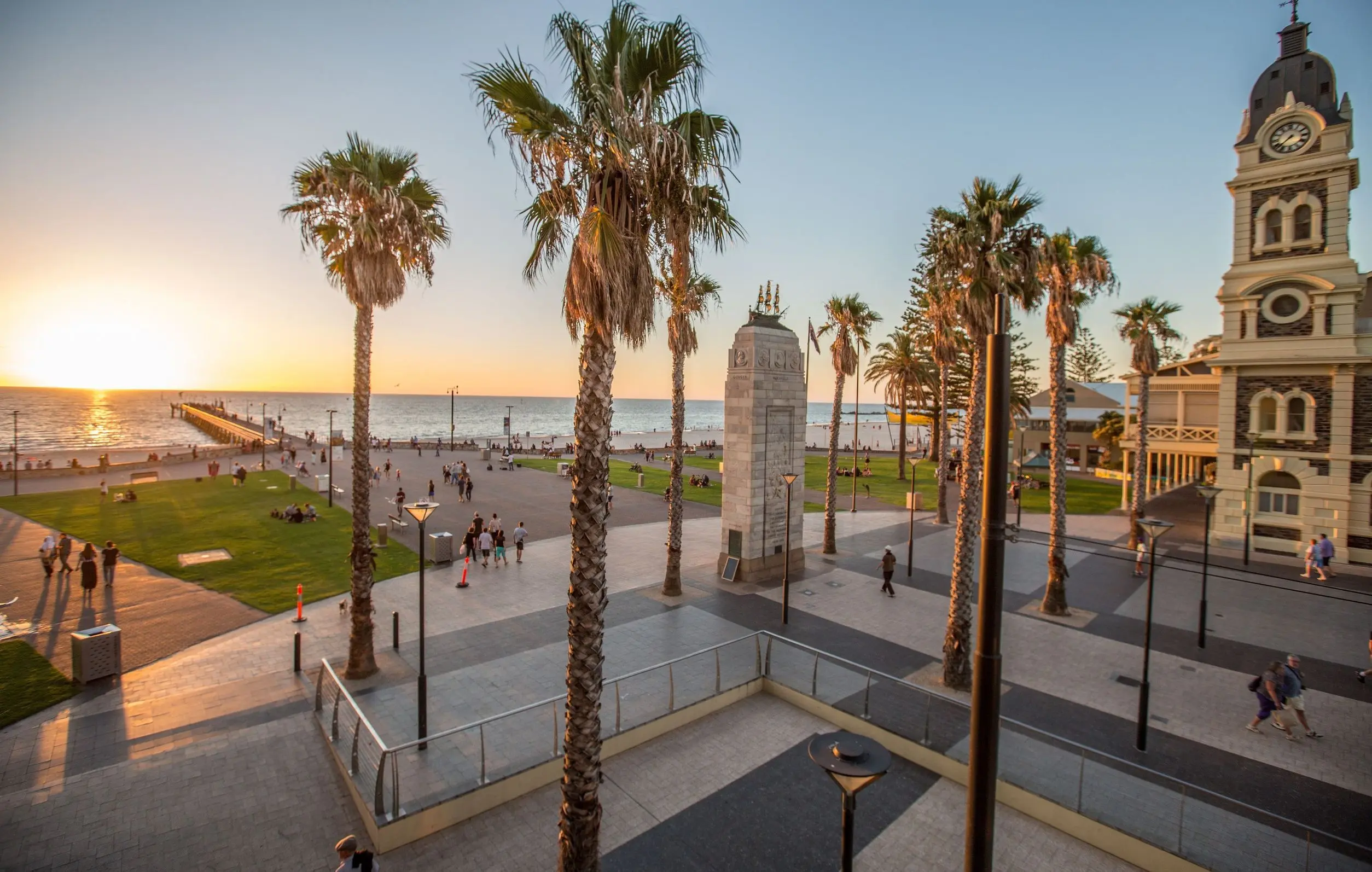
The tram from Victoria Square runs to Glenelg in around 30 minutes. It drops off on Jetty Road, which is the main strip for food, access to the beach, and a handful of decent cafes.
Note on fares — the tram is free within the CBD, but a standard fare applies for the full journey to Glenelg. A single trip costs $4.25 peak or $2.40 off-peak. Check Adelaide Metro for current fares and timetables.
Glenelg is Adelaide’s best-known beach suburb. The swimming is good from October through to April, and the foreshore has enough space to find a quiet patch even on busy weekends.
Colley Reserve, just behind the main beach, has a good morning market on weekends. Sammy’s on the Marina does reliable seafood if a sit-down lunch is on the cards.
One thing most visitors miss — the dolphin watching from the foreshore is genuinely worthwhile between Glenelg and Seacliff.
The Adelaide Dolphin Sanctuary covers this stretch of coast, and sightings from the beach are common in the morning, especially in summer. No boat required.
Henley Beach at Sunset
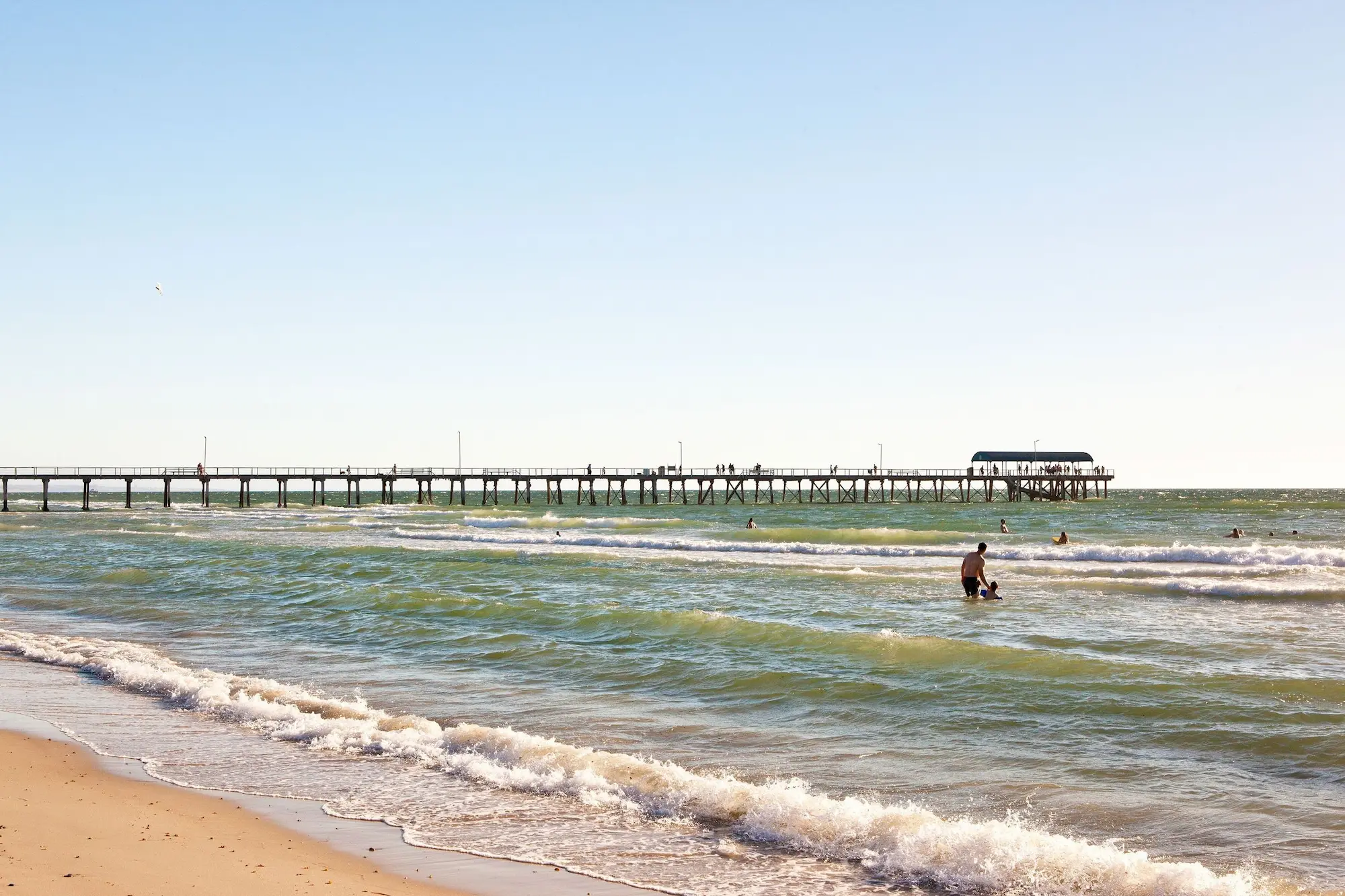
If the day allows it, Henley Beach is worth the extra 20 minutes by bus from Glenelg.
The light facing west from Henley at around 6–8 pm in summer is one of the better sunset spots in Adelaide.
The jetty and esplanade have a quieter feel than Glenelg, and there’s a decent strip of cafes along Henley Beach Road for a post-swim coffee.
Check Adelaide Metro for the current bus route from Glenelg to Henley Beach — the coastal road by car takes about 25 minutes and passes Brighton Beach along the way.
Semaphore (Optional Alternative)
For anyone who’d rather avoid the Glenelg crowds, Semaphore sits about 40 minutes northwest of the CBD.
The beach is wider, less visited, and has an old-fashioned kiosk strip with none of the tourist infrastructure that Glenelg gets.
The Semaphore Palais on The Esplanade has a reasonable menu and waterfront tables that fill up slowly rather than instantly.
It takes a bit more effort to get there, which is exactly why it’s worth knowing about.
Day 3 — Adelaide Hills
Day 3 works best as an early start. Waterfall Gully and Cleland Wildlife Park sit near each other around Norton Summit — they pair naturally for a morning and early afternoon.
Hahndorf is 25 minutes south of Cleland and makes a good late afternoon finish on the way back to Adelaide.
A hire car makes Day 3 significantly easier. Public buses reach parts of the Hills but are infrequent and don’t connect the main stops in a practical way.
Waterfall Gully to Mount Lofty Summit
The trail from Waterfall Gully to Mount Lofty Summit is a 7.5 km return hike, and one of the best city-adjacent walks in Australia.
It’s a proper workout — the trail climbs steadily and gets tiring above the midpoint. The classification is “moderate”, which feels accurate.
The views from the 727-metre summit stretch across the Adelaide plain and out to Gulf St Vincent on a clear day.
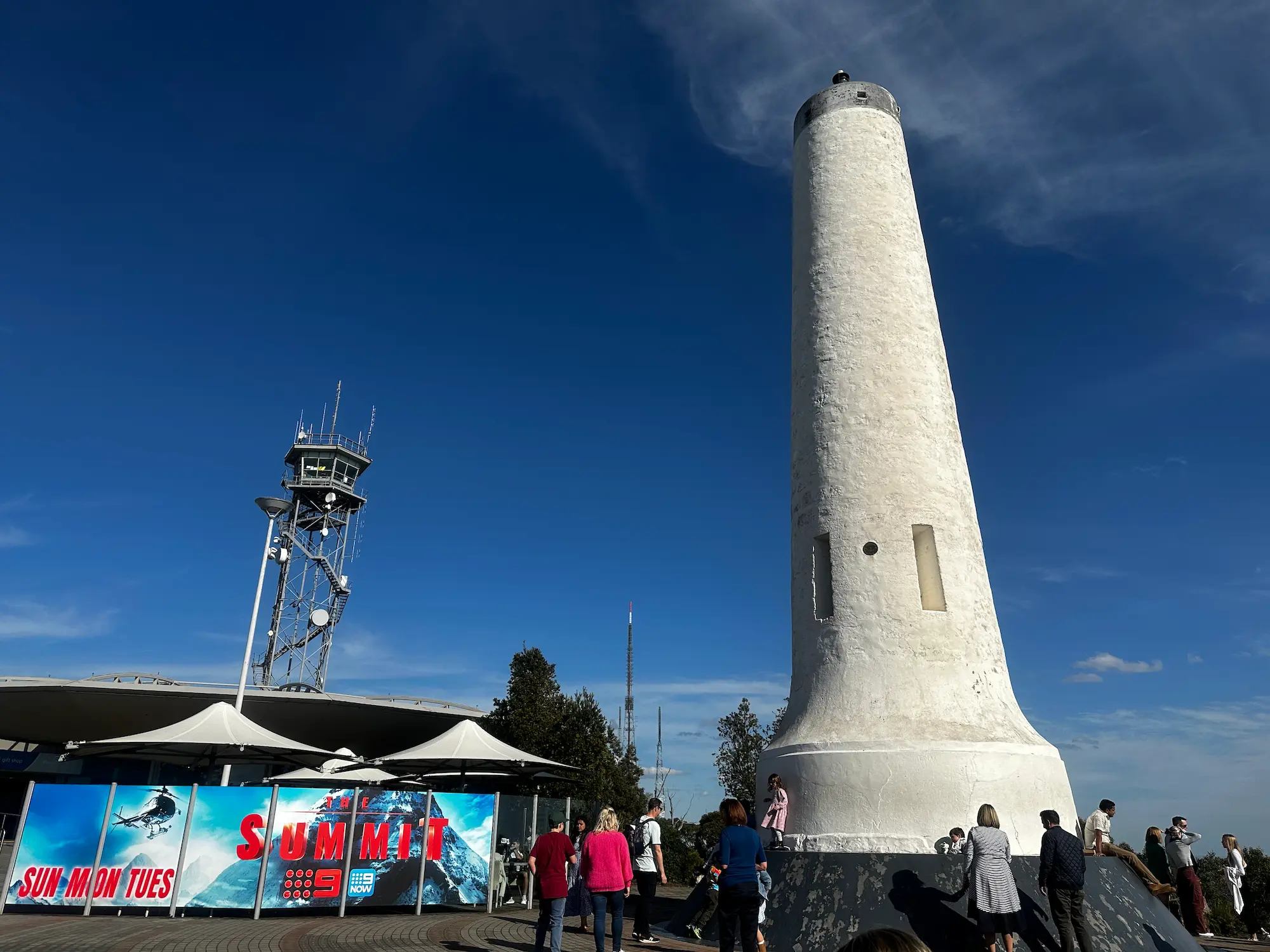
The cafe at the top is decent and earns its keep after the climb. Allow around 2.5–3 hours for return.
If the hike isn’t the call, the summit is accessible by car — the views are identical.
Check Parks South Australia for trail conditions before heading out, particularly in summer when Total Fire Ban days can close the park.
Cleland Wildlife Park
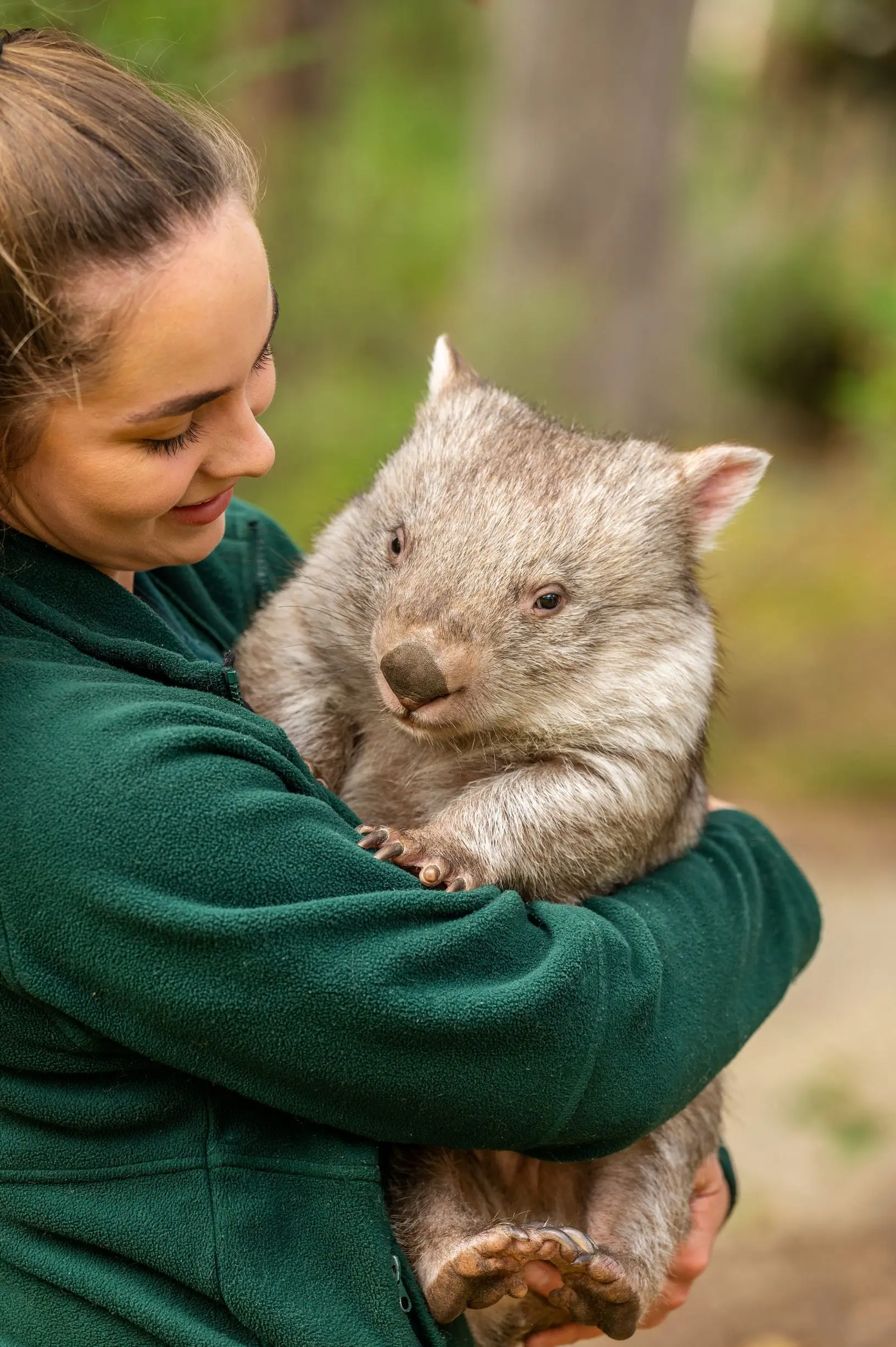
Cleland Wildlife Park sits near Norton Summit, about 20–25 minutes from the Adelaide CBD.
It’s one of the better wildlife parks in SA — free-ranging kangaroos, wombats, echidnas, koalas, and Tasmanian devils without the enclosure-heavy feel of a standard zoo. Adult entry from $30.
Koala hold experiences are available for an extra fee and need to be booked in advance — check the Cleland website for current session times, pricing, and availability. 👉 Book a Cleland day trip with transport from Adelaide here.
Hahndorf
Hahndorf is Australia’s oldest surviving German settlement, about 30 minutes south of the Adelaide CBD in the Hills.
The main street is set up for visitors, which is worth knowing. But the food and produce in the surrounding area is the real draw — not just the souvenir shops.
Beerenberg Strawberry Farm, just outside the main town, is worth a stop. Their condiments are sold across SA for good reason — the strawberry jam and hot sauce in particular.
They do U-pick strawberries in season (November through April) if travelling with kids.
Bird in Hand Winery is about 10 minutes south of Hahndorf in Woodside. It’s one of the better cellar doors in the Hills — consistent Pinot Noir, a strong menu, and views over the vines that hold up against anything in the Barossa. Open daily for tastings.
For a late lunch, The Hahndorf Inn does traditional German-style plates if something filling is the call — the pork knuckle and potato dumplings are consistent.
Day 4 (Optional) — Wine Regions
A fourth day opens up the two main wine regions close to Adelaide.
Pick one — don’t try to do both in a day. The Barossa and McLaren Vale are both worth a full day each, and trying to rush through both always means shortchanging at least one of them.
Barossa Valley
The Barossa sits about an hour north of Adelaide. It’s South Australia’s most famous wine region and one of the great old-vine Shiraz regions in the world.
Seppeltsfield Winery, established in 1851, is the anchor stop — one of the oldest continuously operating wineries in Australia.
For a full breakdown of how to get there without drink-driving, which cellar doors to prioritise, and how to structure the day, see the day trip from Adelaide to Barossa Valley guide.
McLaren Vale
McLaren Vale sits on the Fleurieu Peninsula, about 45 minutes south of Adelaide.
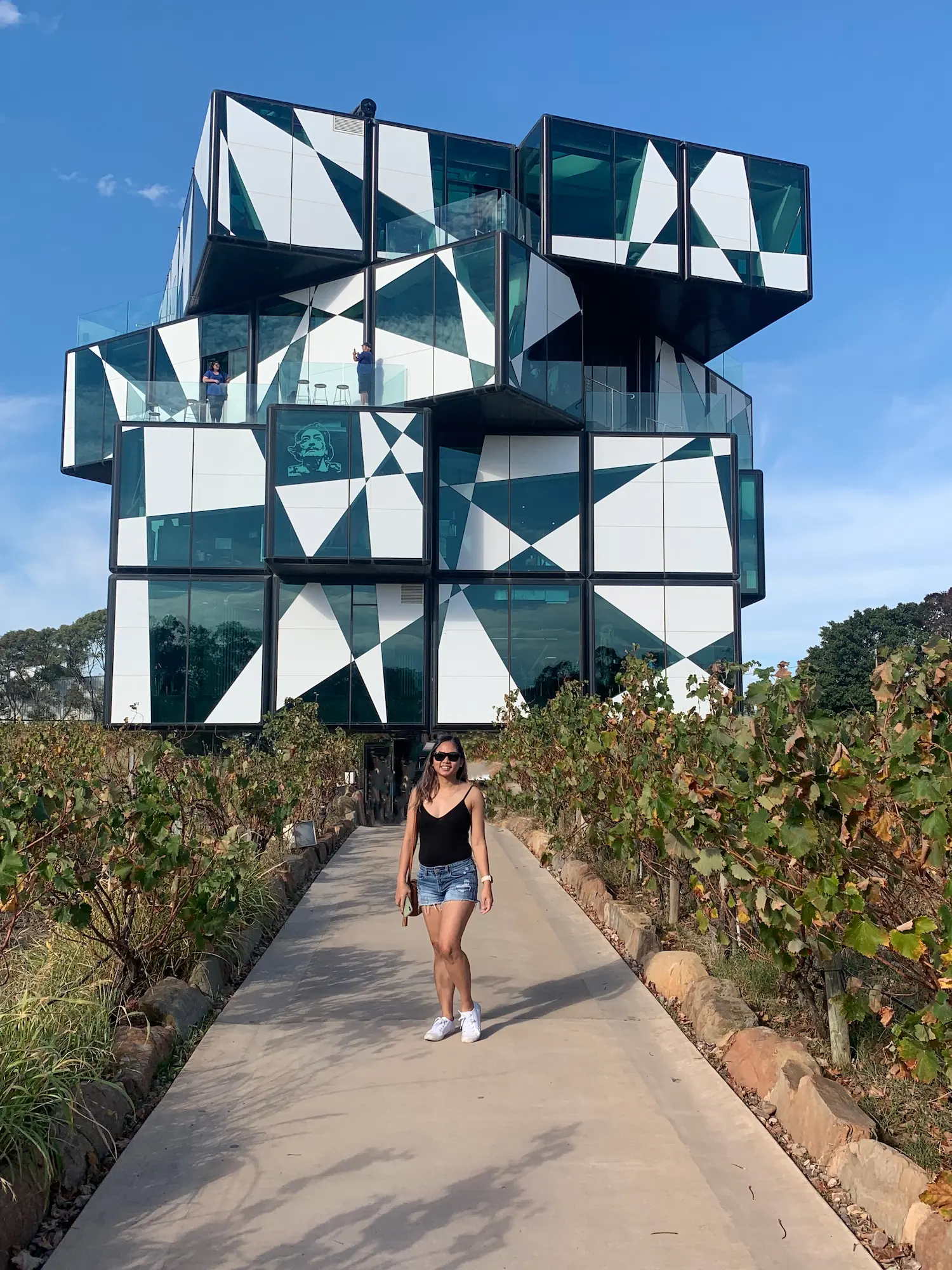
It has over 80 cellar doors, a strong food scene, and a more relaxed feel than the Barossa. d’Arenberg Winery and its five-storey d’Arenberg Cube are the most talked-about stops — the interior is deliberately disorienting and worth visiting even without an interest in wine.
Wirra Wirra is a more traditional option with consistently good Shiraz and Grenache.
The best meal in the region is at Salopian Inn — a $90-per-person feed-me menu built around local produce (I love their dumplings!) Book ahead.
Getting Around Adelaide
Central Adelaide is walkable for most of Day 1.
The free City Connector bus loops the CBD every 15 minutes. The tram runs along North Terrace and out to Glenelg — it’s the most useful route for visitors, though a standard fare applies for the full CBD-to-Glenelg journey.
For Day 3 (Hills) and any wine region day trips, a hire car makes a significant difference.
Public transport reaches parts of the Hills but doesn’t connect Cleland, Waterfall Gully, and Hahndorf in a practical way. Hire cars start from around $50 a day from the CBD or airport.
Uber works in the city but becomes expensive for longer distances into the Hills or wine regions.
Best Time to Visit Adelaide
Spring (September to November) and autumn (March to May) are the two best windows. Temperatures sit in the mid-twenties, the Hills are at their most accessible, and the wine regions are either heading into or coming out of harvest.
March is worth flagging specifically — WOMADelaide runs over the long weekend in Botanic Park, and the Adelaide Fringe runs through February and March. Locals call it “Mad March”, and it’s the most energetic time to be in the city. Accommodation books out well in advance.
Summer (December to February) brings serious heat. Days above 40°C are common in January and February. Total Fire Ban conditions can close Hills trails and restrict access in the Fleurieu. Manageable with planning, but it’s not the best window for an outdoor-heavy itinerary.
Winter (June to August) is underrated. The city is quieter, cellar door visits are at their best with smaller crowds, and the Fleurieu Peninsula is in peak whale-watching season — Southern Right and Humpback whales move into Encounter Bay from May through October.
Common Mistakes to Avoid
✅ Planning around the Central Market on a Monday. It’s closed. Check the market website before building the day around it.
✅ Skipping a hire car. Adelaide’s day-trip regions — the Hills, Barossa, McLaren Vale — aren’t well-served by public transport. Not hiring a car limits the trip significantly, especially for Day 3.
✅ Save the Hills for the last day without checking the weather. Total Fire Ban days in summer can close Waterfall Gully and Morialta with little notice. Check the CFS fire ban status before heading out.
✅ Not booking dinner in the East End. The best spots seat fewer than 30 people and fill fast. Book before arriving in Adelaide, not on the night.
✅ Spending a full day at Glenelg. A morning and afternoon there is plenty. Use the rest of Day 2 for Henley or a coastal walk rather than sitting in the same spot all day.
